
Tile Condition
Identify visible cracks, slipped or missing tiles, previous patches, and areas that need closer review.

Bryton Roofing
Discuss tile roof repairs, inspections, and replacement with Bryton Roofing. Planning starts with the visible tile and the underlying roof system, including underlayment, flashings, attachment, and drainage. For a new installation, include your building plans and project scope when you contact us.
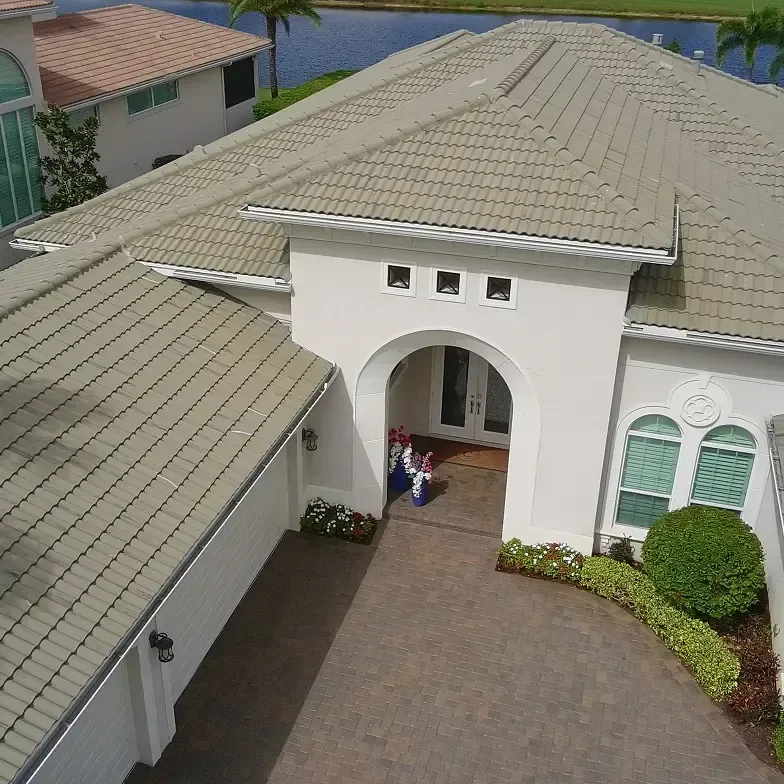
Tile is the visible part of a larger assembly. Underlayment, flashings, attachment, and drainage also need attention when evaluating a leak or planning roofing work.
Define the Work
These details help establish whether a targeted repair or a broader project is appropriate.
Identify visible cracks, slipped or missing tiles, previous patches, and areas that need closer review.
Review leak history, prior work, and accessible conditions to help define what further investigation may be needed.
Consider accessible decking, roof shape, and the suitability of the proposed tile system for the existing structure.
Identify the existing attachment approach and the installation details associated with the selected product.
Include valleys, walls, vents, skylights, and connections to adjoining roof sections in the scope discussion.
Check profile, color, current material availability, and any community approval needed for the proposed changes.
Tile Roofing Options
Compare the appearance, project requirements, and availability of suitable options. Ask which products are available for your property.
Discuss available concrete tile profiles and colors alongside underlayment, attachment, accessories, and the requirements of your roof.
If you have a particular material, texture, or architectural finish in mind, share the product name or reference images. Ask which selections are available and suitable before finalizing your design.
A localized repair may be appropriate when compatible materials are available and surrounding conditions support the work. Include any interior leak history when requesting an evaluation.
A porch, addition, or lower-slope section may require a different roofing material. Include these connected areas when discussing the tile roof so transitions and drainage can be considered together.
Project Planning
Use these stages to discuss the proposed work. The sequence and timing depend on the agreed scope and property conditions.
Start with the visible concern, previous repairs, leak locations, and accessible roof details. Identify areas that may require further investigation.
Review suitable products, tile matching, profile, color, and the components included beneath and around the selected tile.
Establish the work area, property access, material staging, protection measures, and how changes will be handled.
The approved scope determines which materials are removed, repaired, or replaced and which underlying components are addressed.
Discuss completed work, remaining items, applicable product information, written coverage, and care instructions.
Share your property address, roof concerns, and community requirements when requesting a tile roofing evaluation.
Bryton’s listed address is 1312 Commerce Lane, Suite 3A, Jupiter, FL 33458. Ask about availability for your property in Palm Beach, Martin, or St. Lucie County.
Ask About Your Property →Include known storm damage, recurring leaks, and any areas that have needed repeated attention.
Bring the community’s roof material, color, sample, and submission requirements into the planning discussion.
Identify gated access, narrow driveways, pools, landscaping, and possible material delivery locations.
Check whether the desired profile, matching accessories, and repair materials can be sourced for the project.
Compare the Scope
The roof’s condition and the extent of the concern should guide the discussion.
Repair may be practical when the problem is limited, surrounding materials remain suitable, and compatible tile is available.
Replacement may warrant consideration when leaks recur, underlying materials are broadly deteriorated, or successive repairs offer limited value.
Tile Project Pricing
A useful estimate identifies the work area, selected materials, included components, and allowances for conditions that remain concealed.
Roof area, height, valleys, and changes in direction affect the quantity and complexity of the work.
The selected profile, finish, accessories, and availability influence the material portion of the scope.
Clarify which tiles will be removed, whether any can be reused, and what replacement materials are included.
Ask how concealed decking damage will be documented, authorized, and priced if discovered.
Compare the specified products and the treatment of valleys, walls, roof edges, and penetrations.
Delivery access, staging space, roof height, and property protection affect project logistics.
Ask which applicable fees, approvals, inspections, and documentation are included in the proposal.
Discontinued profiles, special selections, samples, and delivery timing may influence the available options.
Before Your Conversation
These details can help make the initial discussion more useful. Share the records you already have.
Note the affected rooms, when staining appeared, and whether the issue returns after rain.
Share existing roof photos or pictures of interior damage that show the concern.
Include the approximate installation date and any known underlayment replacement history.
Provide previous repair scopes, invoices, or records identifying areas already addressed.
Share any recorded manufacturer, profile, color, or details about stored spare tiles.
Include the HOA’s roofing guidelines, application forms, and available approved color lists.
Mention access restrictions, planned exterior work, and areas needing special protection.
Explain whether your main concern is a leak, appearance, recurring repairs, or replacement planning.
Tile Roofing Questions
Common questions about tile condition, repair options, material selection, and project planning.
Tile sheds water, but the roof also relies on underlayment, flashing, and coordinated details around valleys, walls, and penetrations. An evaluation should consider the full assembly.
A localized replacement may be possible when compatible tile is available and the surrounding roof supports repair. The cause of the damage and the condition beneath the tile also need consideration.
The visible tile does not reveal every condition beneath it. Underlayment, flashing, penetrations, and roof transitions may need investigation even when the surface appears intact.
There is no single service-life figure that applies to every roof. Product, installation, exposure, and roof condition all matter. Share the roof’s age and repair history when requesting an evaluation.
Matching depends on the original profile and current availability. Exact color, weathering, and fit may be difficult to reproduce. Ask what compatible options can be sourced for your repair.
Profiles create different roof appearances and have product-specific installation details and accessories. Compare actual samples and specifications alongside the requirements of your roof and community.
Ask whether your roof is suitable for a localized underlayment repair. The proposed approach depends on access, surrounding conditions, tile availability, and the extent of the affected area.
Foot traffic can crack or displace tiles. Share existing photos and records when requesting help, and have roof access assessed by a roofing professional.
Bring your HOA requirements to the project discussion and ask which product details or samples can be provided. Confirm who will submit the application; the association controls its approval decision.
Compare tile product, underlayment, attachment, flashing, removal, disposal, property protection, exclusions, and written coverage. Ask how concealed damage and changes to the scope will be priced.
A home may have tile roofing alongside sections that need a different material. Include porches, additions, and connecting roof areas in the evaluation so the transitions can be considered together.
Contact Bryton with your property address in Jupiter or the surrounding Palm Beach, Martin, and St. Lucie county area. Confirm availability for your roof type, project scope, and requested timing.
Roofing, Done the Bryton Way.
Share your address, the condition you are concerned about, and whether you are considering repair or replacement.
Roofing License Number CCC1336269