
Conditions by Building
List known leaks, approximate roof ages, existing materials, and previous repairs for each building.

Roofing decisions for condos, apartments, and managed communities involve more than the roof itself. Contact Bryton Roofing to discuss your buildings, current concerns, resident access, and whether the proposed project fits the team’s services and availability.
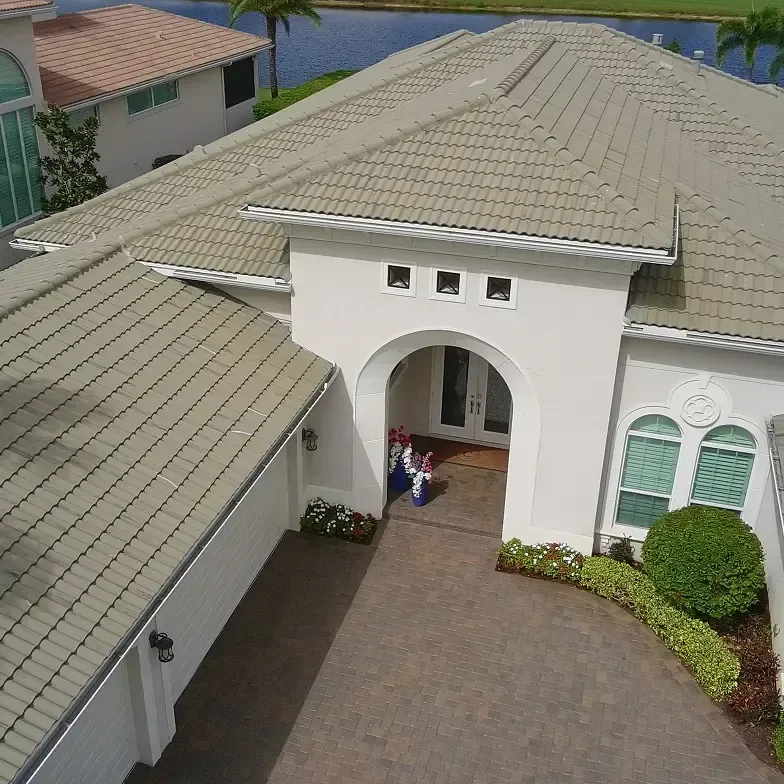
A roofing project can affect several households, shared entrances, parking areas, and community facilities. The discussion needs to cover the buildings involved and how work would be coordinated with the people using them.
Agree on the buildings, roof areas, and reporting needs before scheduling an evaluation.
List known leaks, approximate roof ages, existing materials, and previous repairs for each building.
Identify active problems separately from maintenance questions and longer-term replacement discussions.
Explain gate access, parking restrictions, roof access points, occupied areas, and permitted working hours.
Discuss whether the inquiry concerns one building, a group of buildings, or the entire community.
Ask what findings, photographs, and proposal information can be provided for the decision-makers.
Flag pools, landscaping, vehicles, walkways, and other shared areas that need consideration.
Select a topic below. Availability and the scope of service need to be confirmed for your property.
Ask about an inspection scope that identifies the buildings and roof areas to be reviewed, along with the information needed for your next decision.
Describe the affected building, leak history, and previous work. A repair discussion should clarify the proposed boundaries and any adjoining areas that need evaluation.
For a potential replacement, discuss the buildings involved, material choices, decision schedule, and whether a phased approach is practical.
Contact Bryton to ask whether the Roof Care Program is available for your community and which services would be included.
Use these stages to discuss the proposed process and agree on responsibilities before work begins.
Start with the buildings involved, the reason for the inquiry, and the people responsible for project decisions.
Define the inspection coverage and the type of findings needed for repair or replacement discussions.
Review the proposed work, building sequence, and arrangements for shared spaces and resident access.
Use the agreed plan to coordinate roofing activity with building access and the community’s daily needs.
Review the completed scope, outstanding items, and applicable documents for each building or project phase.
Shared entrances, parking, balconies, and common facilities deserve attention early in the discussion. Explain the community’s restrictions and communication needs when you inquire.
Bryton is based in Jupiter. Provide the property address, building count, and proposed work to confirm project availability.
Ask About Your Property’s Availability →Identify the owner, board, manager, and other contacts involved in reviewing and approving the proposed work.
Agree who will distribute information about work hours, parking, access, and changes to the schedule.
Record differences in roof age, materials, repair history, access, and reported problems.
Discuss how weather, deliveries, and community events could affect the proposed sequence.
A property may have different needs across its buildings. Ask for the reasons behind each recommendation.
A repair may be an option when the affected area can be identified and the surrounding roof is suitable to retain.
When several buildings need work, discuss whether the project can be divided into practical phases and what that would involve.
Request a written proposal that identifies the buildings, included work, and assumptions behind the pricing.
The number of buildings, roof sections, stories, and connections helps define the size of the project.
Ask how the proposed materials, removal work, and possible concealed damage are addressed.
Parking, gates, delivery locations, storage, and access restrictions can affect project arrangements.
Clarify the provisions for landscaping, pools, vehicles, walkways, cleanup, and disposal.
Discuss how separate phases, material availability, and ordering schedules affect the proposal.
Identify included approval tasks, applicable fees, inspection coordination, and completion documents.
Gather the records you already have. Missing documents can be discussed during the inquiry.
Use building names or numbers consistently so reported concerns can be matched to the correct locations.
Share approximate installation dates, existing materials, and available product information.
Include dates, affected units or common areas, previous repair scopes, and existing photographs.
Provide working-hour rules, parking requirements, gate procedures, and shared-area restrictions.
Explain proposal deadlines, planned meetings, and the steps your organization uses to approve work.
Describe the information your board or ownership group needs and ask which documents can be supplied.
The term commonly includes apartment buildings, condominiums, townhomes, and other residential properties with shared roofing decisions. Contact Bryton with your property details to confirm project eligibility.
Start with the address, building count, known roof concerns, access arrangements, and your contact details. Existing roof records, repair histories, and a site map can help explain the inquiry.
Ask about availability for the number and types of buildings involved. Confirm whether the proposed inspection includes every roof, selected areas, or a smaller initial scope.
Request findings that distinguish active problems, further investigation needs, and longer-term work. Use that information alongside the community’s decision process and project priorities.
A phased approach may be possible. Ask whether it suits the roof systems and property layout, and how separate phases would affect access, materials, pricing, and scheduling.
Agree on communication responsibilities before work starts. Identify who prepares project updates and who distributes notices about parking, access, working hours, and schedule changes.
That depends on the conditions and repair options for the affected roofs. Ask for building-specific recommendations and a clear explanation of the proposed repair boundaries.
Managers and board representatives can contact Bryton to discuss a proposed project. Confirm project fit, the designated contacts, and the coordination or reporting needed before proceeding.
Keep available proposals, approved scopes, changes, product information, inspection records, coverage documents, and maintenance history organized by building. Ask which completion documents the project includes.
Ask Bryton to review the property’s eligibility. Confirm the buildings covered, visit frequency, reporting, fees, exclusions, and written program terms before enrolling.
Request a schedule based on the actual scope. Building count, materials, access, phasing, approvals, weather, and additional findings can affect timing.
Bryton is based in Jupiter. Send the property address, building details, and a summary of the proposed work so the team can confirm availability for your location.
Tell Bryton about the property, buildings, and roofing concerns. Ask about project availability, evaluation options, and the information needed for your next decision.
Florida Roofing License CCC 1336269