
Roofing Materials
Visible wear, broken or displaced materials, surface damage, and signs of previous work.

Residential Roof Inspections in Jupiter, Florida
Understand your roof’s visible condition before deciding what to do next. Bryton Roofing helps homeowners discuss leak concerns, maintenance needs, previous repairs, and inspection priorities in Jupiter and across Palm Beach, Martin, and St. Lucie counties.
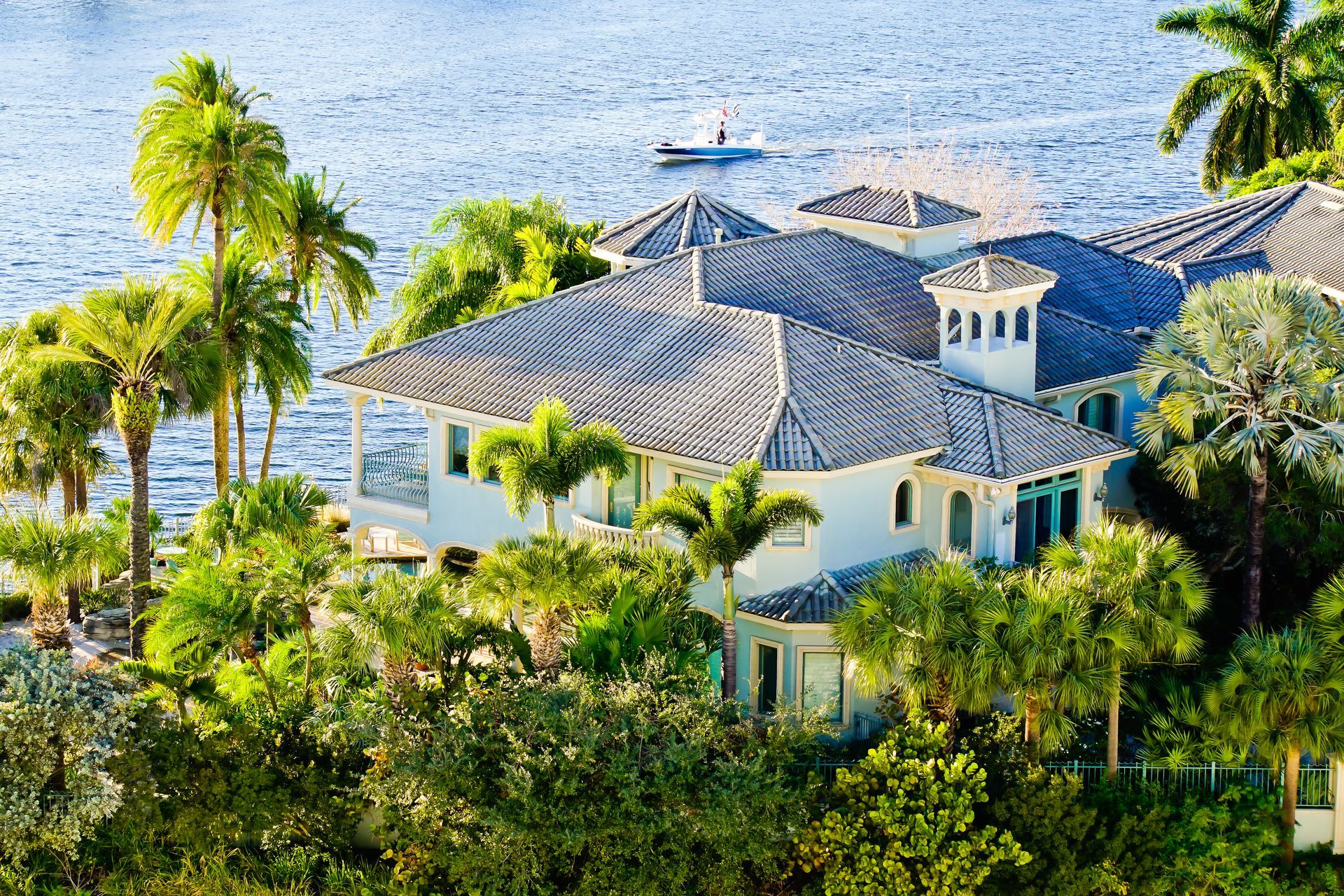
A useful inspection identifies visible concerns, explains their priority, and describes what could not be assessed. The review should relate to your reason for calling, whether that is a recurring leak, maintenance planning, or concern about an aging roof.
What the Inspection Reviews
The agreed scope, roof type, access, and reason for the inspection determine which areas can be reviewed.
Visible wear, broken or displaced materials, surface damage, and signs of previous work.
Accessible details around walls, vents, pipes, skylights, valleys, edges, and roof transitions.
Visible buildup, restricted drainage, and areas where water may collect or move toward vulnerable details.
Reported symptoms and accessible interior observations when interior access is included in the scope.
Visible patches, replacement materials, sealants, and locations where problems have returned.
Items to monitor, maintenance priorities, potential repair needs, and questions requiring further investigation.
Inspection Options
Select an option to see what to discuss when arranging the visit. Confirm the method and included documentation when booking.
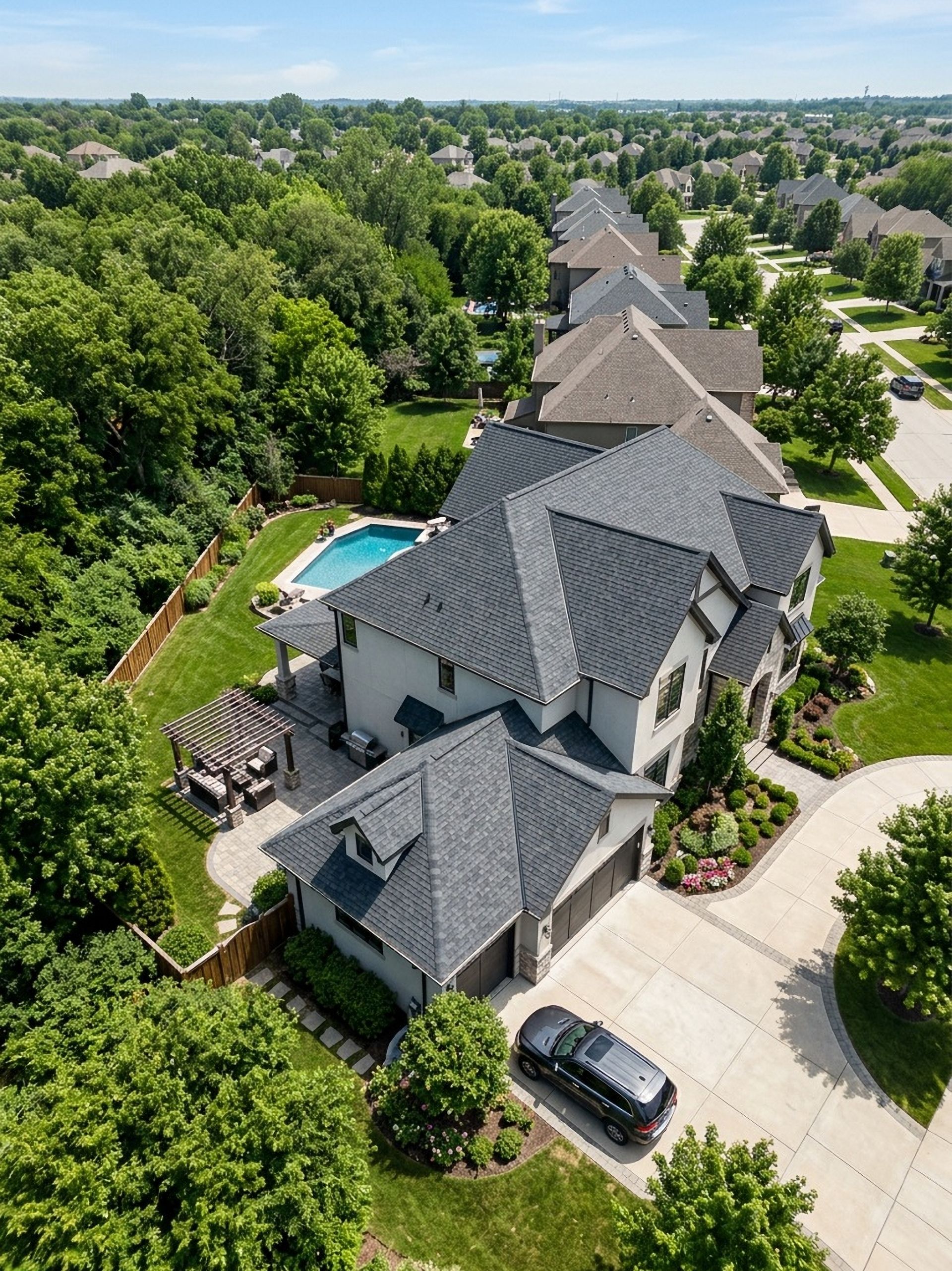
Ask whether aerial imagery is available and appropriate for your property. It can provide an overview of roof surfaces and help show where visible concerns are located.
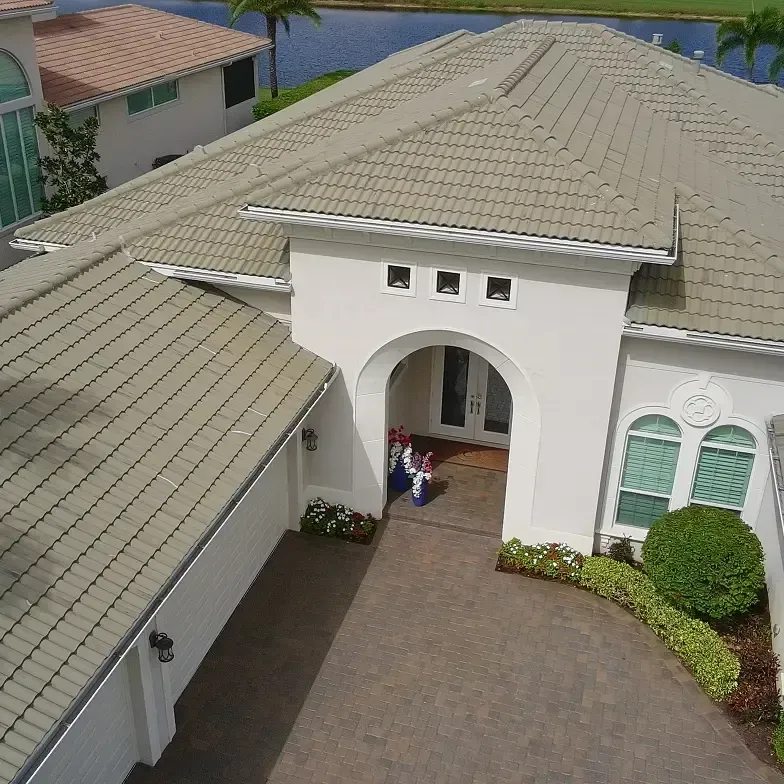
Share when the leak occurs, where it appears inside, and whether earlier repairs helped. These details provide context for reviewing potential entry points.
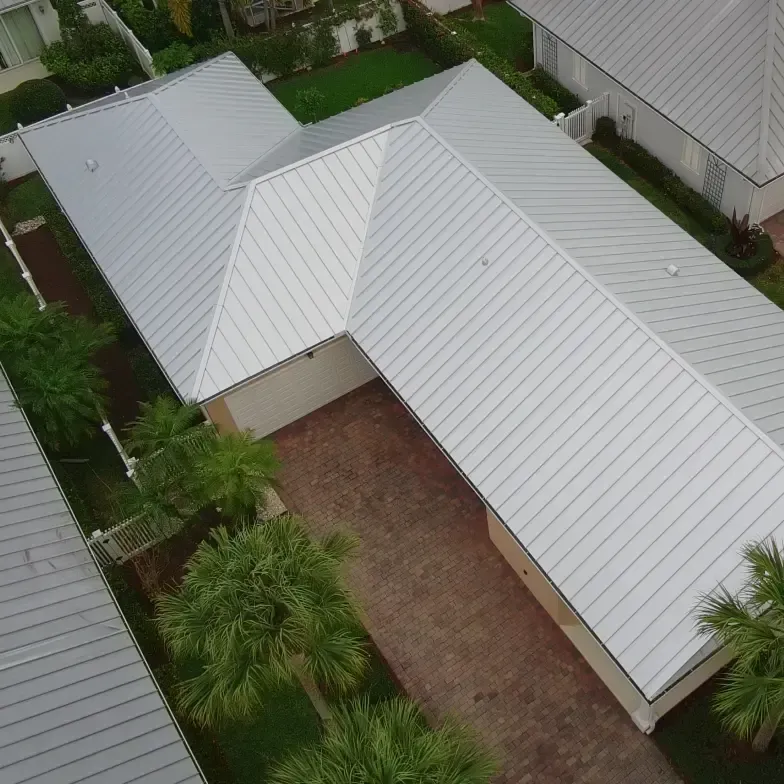
Discuss visible maintenance concerns before planning the next round of roof care. The review can help identify areas needing attention or continued monitoring.
Have your installation records, warranty documents, and maintenance history available. Discuss the visible roof conditions and any questions about required upkeep.
The Inspection Process
Agree on the purpose, access, and documentation before the visit. Select each step to see how the inspection discussion is organized.
Discuss the roof’s history, current concerns, earlier repairs, and what you need to learn from the visit.
The inspection focuses on accessible areas within the agreed scope, including visible materials and relevant roof details.
Photos, reported leak patterns, and accessible interior observations can add context when they are part of the agreed review.
Discuss the importance of each finding and whether it calls for maintenance, monitoring, repair evaluation, or additional investigation.
Review the observations, inspection limitations, and service options. If work is recommended, discuss a separate scope before authorizing it.
Tell Bryton about storm-related changes, recurring leaks, nearby trees, and previous roof work. These details help focus the review on your property’s specific concerns.
For a gated or managed community, arrange entry and explain any restrictions that could affect the visit.
Bryton is based at 1312 Commerce Lane, Suite 3A, Jupiter, FL 33458. Contact the team about inspection availability for your address in Palm Beach, Martin, or St. Lucie County.
Ask About Your Property →Note when symptoms began and whether they appear after particular rain or wind conditions.
Share gate instructions, visitor requirements, and appointment restrictions before the visit.
Point out recurring debris buildup, overflowing gutters, or areas where water appears to collect.
Have prior repair details, available photographs, and installation or warranty records ready.
Use the Findings
The next step depends on what was observed, what remains uncertain, and the condition of the surrounding roof.
Some findings may call for maintenance or observation. Ask which tasks are recommended and how changes should be tracked.
Active leaks, damaged materials, or unresolved concerns may need a separate repair evaluation or more detailed investigation.
Before You Book
Ask for the inspection fee, included areas, and documentation before booking. These details help define the visit.
A general condition review and a recurring leak investigation may require different levels of evaluation.
The number of roof areas, levels, and details can affect the time needed to review visible conditions.
Height, slope, surface material, and safe access influence how the inspection can be performed.
Confirm whether attic access or a review of interior leak evidence is included and can be arranged.
Discuss the proposed approach and whether additional imagery or evaluation is available and needed.
Agree on any photographs, written findings, report format, and expected delivery timing.
Ask whether testing, opening materials, or specialist review would need a separate scope and authorization.
Clarify what happens if weather, unavailable access, or unresolved symptoms require another appointment.
Make the Visit More Useful
A few details can help Bryton understand your concerns and prepare for the agreed review.
Share the address, roof type if known, and the best contact for the visit.
Provide the approximate roof age and any available installation information.
Describe where symptoms appear, when they occur, and whether they have changed.
Share relevant photos already available from the ground or inside the property.
Gather earlier repair descriptions, invoices, and inspection findings.
Have applicable documents available if warranty-related questions prompted the visit.
Arrange gate entry and any agreed interior access with the property contact.
Explain what you need to understand and any deadline for receiving documentation.
Roof Inspection Questions
Discuss any specific reporting requirements or concerns when requesting your appointment.
The scope depends on the reason for the visit and available access. Discuss roofing materials, flashings, drainage, previous repairs, and any interior observations or documentation you need before booking.
Aerial imagery can provide an overview of visible roof conditions, but it cannot show every concealed detail. Ask whether closer or interior evaluation is needed for your concern and whether drone documentation is available.
Some leak sources are visible; others require further investigation. Describe when and where the leak appears. Ask which findings are confirmed and which possible causes still need evaluation.
Discuss a suitable schedule based on the roof’s age, material, maintenance history, previous leaks, and written warranty requirements. New symptoms may warrant an additional evaluation.
Contact Bryton if you notice new leaks, displaced materials, debris impact, or other changes. Share observations and photos you can obtain safely from the ground or inside the property.
A roofing inspection reviews roof conditions. Direct policy and claim questions to your insurer, and ask what documentation it requires before arranging a report for that purpose.
Tell Bryton which roofing material is on your property when requesting the visit. Confirm the inspection approach and availability for your roof type, access conditions, and specific concern.
Components covered by other materials may not be visible. Access and weather can also limit the review. Ask whether additional investigation is needed and whether it would require a separate appointment or scope.
A visible-condition review can help identify maintenance concerns and items to monitor. Discuss recommended tasks, their priority, and whether maintenance work is included or quoted separately.
It is a review focused on visible conditions and questions arising from your maintenance or warranty documents. Bring those records and direct coverage questions to the applicable warranty provider.
Confirm the included documentation before booking. Ask about photographs, written findings, report format, and delivery timing, especially if another party has requested a specific type of report.
Bryton is based in Jupiter. Contact the team about your address in Palm Beach, Martin, or St. Lucie County. Availability depends on the property, requested scope, access, and scheduling.
Tell Bryton what you have noticed and what you need to learn. Discuss the inspection scope, access, documentation, and next available appointment.
Roofing License Number CCC1336269