
Existing Materials
Identify the roof coverings and any available product information, including earlier repair materials.

Mixed materials, unusual roof profiles, and changes in slope can make a roofing project more complex. Contact Bryton Roofing to discuss your roof’s condition, the areas involved, and whether the project fits the team’s current services.
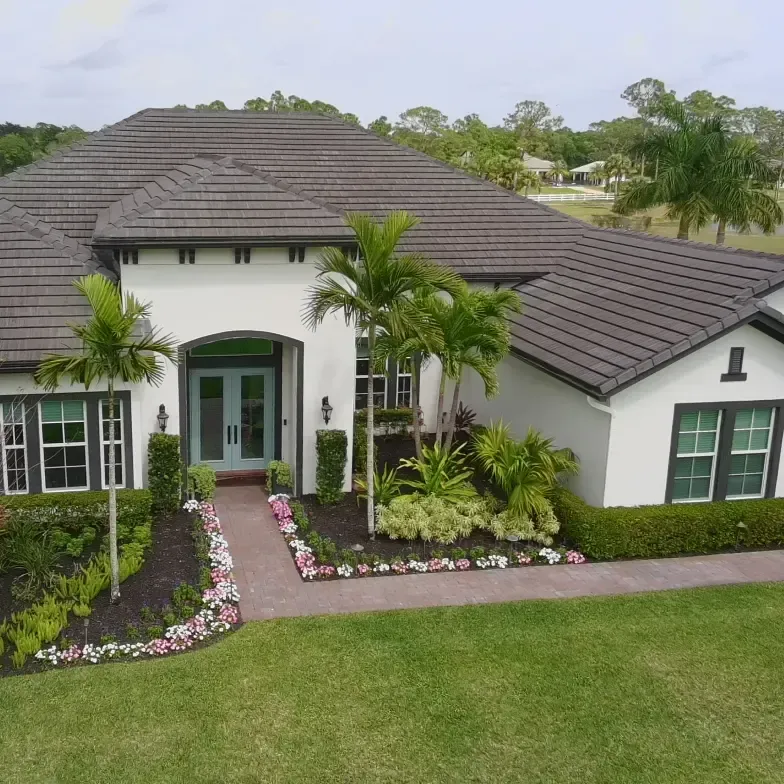
Specialty roofing describes projects with unusual materials, complex shapes, or connections between different roof systems. The work may involve a single problem area or several connected sections of a home.
These topics help define the questions an evaluation needs to answer.
Identify the roof coverings and any available product information, including earlier repair materials.
Point out additions, low areas, dormers, valleys, and changes in roof height or direction.
Note where roofing meets walls, penetrations, or another material, especially around recurring problems.
Share any known decking damage, past tear-offs, or records of concealed repairs.
Describe where water collects, overflows, or appears inside the building during rain.
Bring preferred finishes, existing samples, and any community requirements relevant to the work.
Select a topic to see what to discuss. Material suitability and service availability need to be confirmed for your project.
A home may combine tile, metal, shingles, or a separate low-slope roof covering. Discuss the individual areas and how work on one section could affect the others.
Porches and additions may have a different slope from the main roof. Ask which systems are suitable for each area and how the connections would be addressed.
Distinctive tile shapes, metal profiles, and designer shingles require product-specific planning. Bring photographs or product details so availability and project suitability can be discussed.
Walls, valleys, penetrations, and additions can create several connected details within a small area. Describe the location and history of the problem before choosing a repair approach.
Use these stages to discuss the proposed process. The agreed scope determines the work, documentation, and timing.
Start with the roof sections, existing materials, and concerns that prompted the inquiry.
Review the findings and the practical options for the affected sections.
The proposal should make it clear which roof areas, materials, and connections are included.
Installation or repairs follow the approved project scope, with any proposed changes discussed as they arise.
Use the final discussion to review the completed scope and any remaining items.
Share your property address, community requirements, and any restrictions that could affect an evaluation or roofing work.
Bryton’s listed office is at 1312 Commerce Lane, Suite 3A, Jupiter, FL 33458. Contact the team to confirm availability for your location and project.
Ask About Your Property’s Availability →Describe when problems occur and whether particular roof areas are exposed to wind-driven rain.
Share rules for visible materials, finishes, working hours, and approval submissions.
Flag gated access, pools, landscaping, narrow driveways, and neighboring structures.
Ask about matching materials, samples, custom components, and expected ordering times.
The condition of the affected area and its connections should guide this discussion.
A localized repair may be an option when the problem can be isolated and the adjoining roof remains suitable to retain.
Recurring leaks or problems across multiple sections may call for a wider evaluation before deciding what to replace or retain.
Ask for pricing based on the proposed work and a clear explanation of what is included.
The areas involved, roof shape, and number of connections help define the scope.
Selected materials, matching requirements, and custom components can affect pricing and timing.
Removal, earlier repairs, and concealed damage may require separate allowances or change procedures.
Ask which flashings, edges, penetrations, and adjoining areas the proposal includes.
Clarify provisions for staging, landscaping, exterior finishes, cleanup, and disposal.
Identify applicable approval tasks, fees, product lead times, and scheduling assumptions.
A few existing records can make the initial discussion more specific.
Share photographs you already have of the roof and affected interior areas.
Note approximate installation dates and when additions or alterations were completed.
Include available invoices, scopes, and information about recurring problems.
Bring manufacturer names, profile details, or records of the existing roof materials.
Share community guidelines and your preferences for visible profiles and finishes.
Explain your timing, budget considerations, and whether you are planning repairs or wider improvements.
The term describes projects involving mixed materials, different slopes, uncommon profiles, or complex connections. The specific work depends on the property and the issue being addressed.
A home can have different roof systems. Ask which materials are appropriate for each section and how the proposed work would address their connections.
The choice requires an evaluation of that area. Ask how its slope, drainage, existing construction, and adjoining roof sections affect the available options.
A leak near a connection can have more than one cause. Describe when it appears and any past repairs so the evaluation can focus on the affected area and adjoining details.
A repair may be possible when the problem can be isolated and suitable materials are available. An evaluation is needed to discuss the repair boundaries and limitations.
Some projects may involve custom components. Ask whether these are needed, who would supply them, and whether their cost and timing are included in the proposal.
Contact the team with photographs and any product details you have. Availability, weathering, and discontinued products can affect matching options; a match should be confirmed before ordering.
Ask whether the evaluation includes the affected roof areas, their connections, and the route water takes off the property. Describe any pooling, overflow, or recurring interior leaks.
Share your association’s requirements and ask what project information Bryton can provide. Confirm who is responsible for the submission and obtaining approval before scheduling work.
Look for the areas included, proposed materials, connection details, exclusions, access arrangements, cleanup, pricing, and handling of additional findings. Ask for applicable coverage terms in writing.
Request a project-specific estimate after the scope and materials are discussed. Ask how approvals, ordering, custom components, weather, and additional findings could affect it.
Bryton is based in Jupiter. Send your property address and a brief description of the project so the team can confirm service availability and the next step.
Tell Bryton about the roof materials, problem areas, and improvements you have in mind. Ask about project fit, evaluation options, and current availability.
Florida Roofing License CCC 1336269