
Leak and Repair History
Where problems appear, how often they return, and what has already been repaired.

Residential Roofing in Jupiter, Florida
Plan your next roof around your home, its condition, and your priorities. Bryton Roofing helps homeowners review replacement options, compare materials, and define the project scope in Jupiter and across Palm Beach, Martin, and St. Lucie counties.
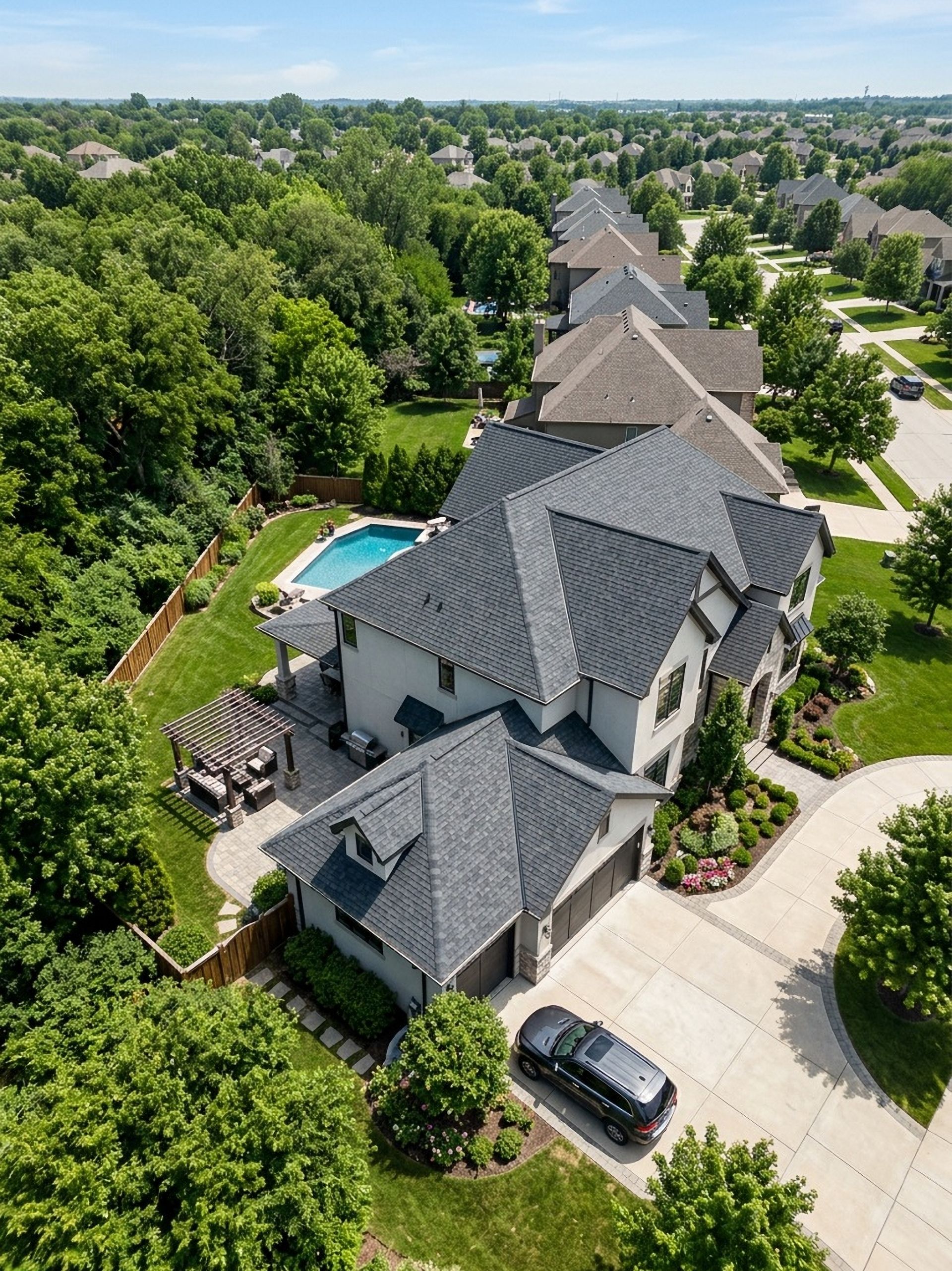
Replacement may be worth discussing when roof problems are widespread, leaks keep returning, or localized repairs offer limited value. The decision should consider the roof’s condition, repair history, available materials, and your plans for the property.
Before Choosing a New Roof
The review brings together the current roof condition and the details needed to define your project.
Where problems appear, how often they return, and what has already been repaired.
The visible condition of the current roof covering and the suitability of repair or replacement options.
Accessible details around walls, valleys, penetrations, edges, and connections between roof areas.
Visible signs of damage and the approach to conditions that may only be exposed during removal.
Slopes, valleys, gutters, low areas, and other details that need to be addressed in the new scope.
Appearance, budget, maintenance expectations, community requirements, and preferred timing.
Roofing Material Options
Select an option to review the project details to discuss alongside color, profile, and appearance.
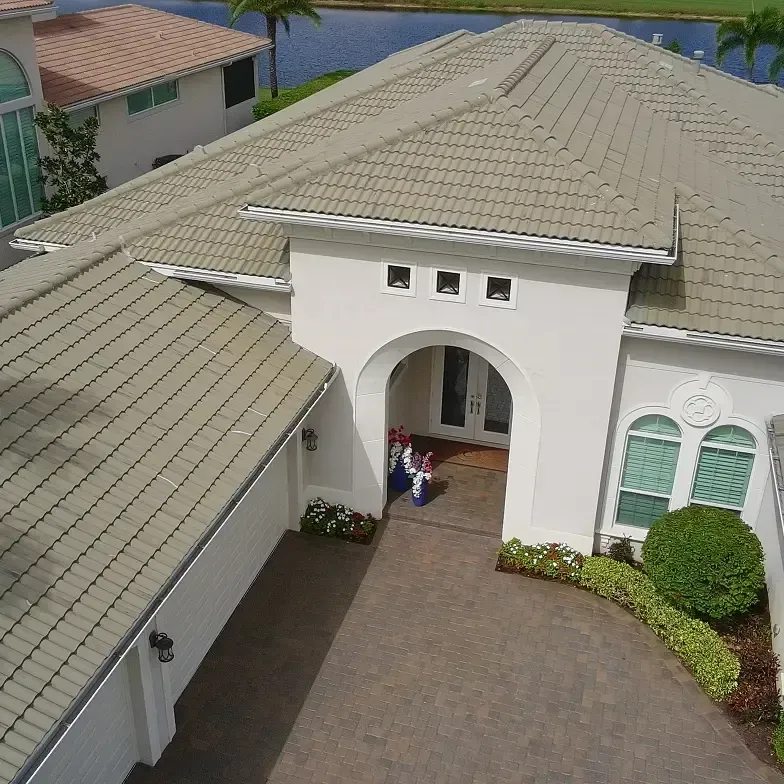
Discuss the tile profile and finish alongside the complete proposed assembly. The scope should address the supporting roof, underlayment, flashing, attachment, and relevant transitions.
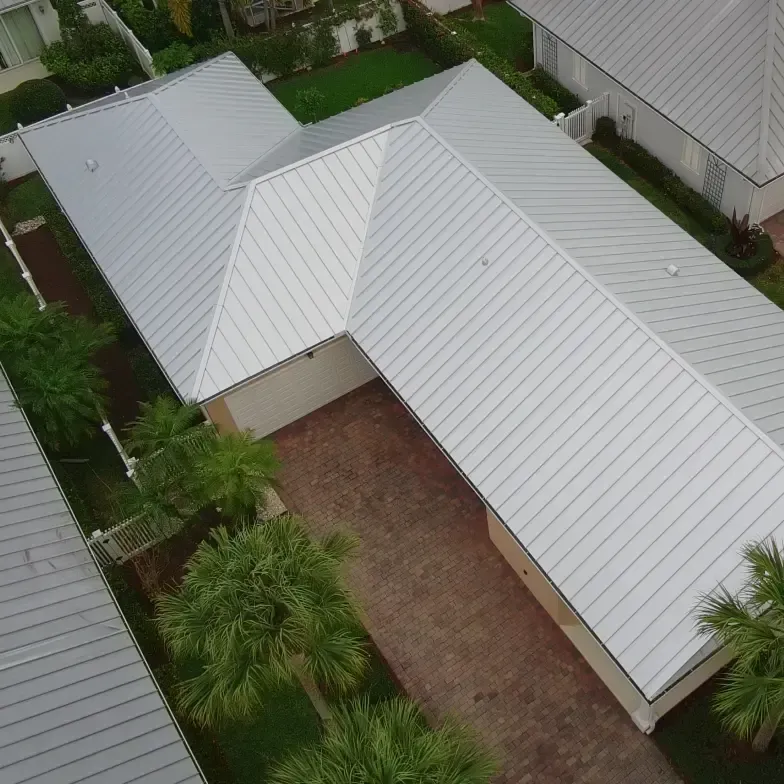
Compare panel profiles, finishes, and the details needed for your roof’s layout. Discuss how edges, penetrations, flashings, and transitions are included in the proposal.
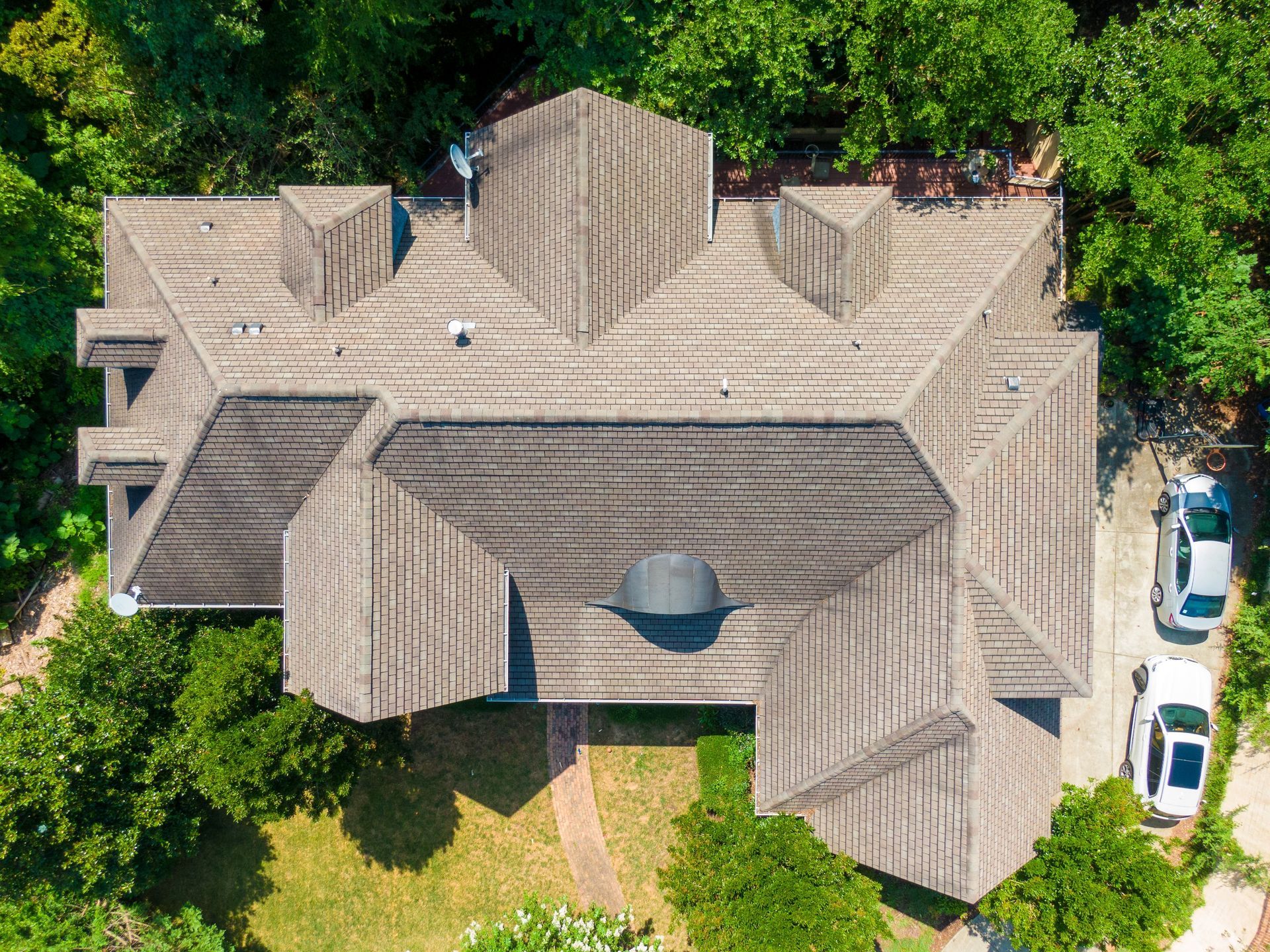
Review available shingle styles and colors with the proposed underlayment, flashing, starter materials, roof edges, and ventilation details where applicable.
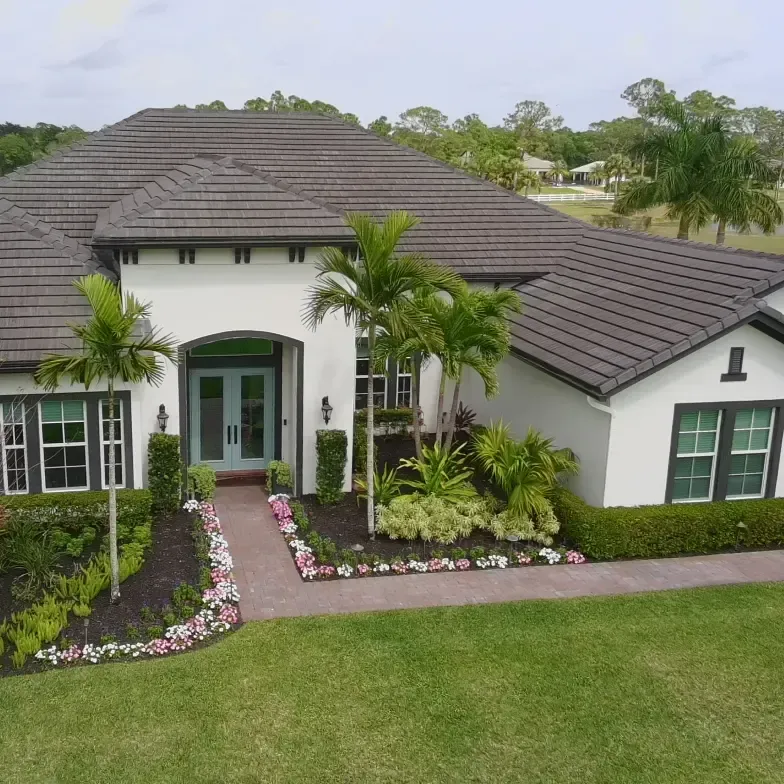
Homes with low-slope sections, additions, mixed materials, or unusual transitions may need more than one approach. Discuss each roof area and how the proposed systems connect.
The Replacement Process
Review the sequence and responsibilities for your project before scheduling installation.
Discuss current concerns, earlier repairs, visible conditions, property access, and what you want from the replacement.
Review the material choices and the components included with each option, along with appearance, upkeep, and written warranty information.
Review the selected materials, approvals, access arrangements, property protection, payment schedule, and process for handling discoveries.
The existing roofing is removed as specified. Exposed conditions are reviewed, authorized work is completed, and the selected assembly is installed.
Discuss completed work, remaining final items, maintenance information, and the project documents included in your agreement.
Material selections, community rules, access, and the roof’s layout all belong in the planning conversation. Share any written requirements before finalizing the project.
Bryton is based at 1312 Commerce Lane, Suite 3A, Jupiter, FL 33458. Contact the team about replacement projects in Palm Beach, Martin, and St. Lucie counties.
Ask About Your Property →Discuss exposure, drainage, penetrations, and transitions relevant to your selected system.
Provide requirements for materials, profiles, colors, samples, and contractor access.
Plan delivery, parking, material staging, and access around landscaping and exterior features.
Discuss availability and lead times for the selected products before setting expectations for installation.
Review Both Paths
Compare the affected areas, remaining roof condition, and the expected value of the proposed work.
A limited repair may be suitable when the problem can be identified and the surrounding roof supports localized work.
Recurring problems across the roof or widespread deterioration may warrant a broader replacement plan.
Understanding Your Estimate
A property-specific proposal should explain the selected system, included work, and how additional conditions will be handled.
Roof area, slope, height, valleys, and transitions influence material quantities and installation work.
The roof covering, underlayment, flashing, accessories, and compatible components define the proposed assembly.
The materials and layers being removed, along with handling and disposal, form part of the scope.
Review allowances or pricing for damaged decking and other conditions exposed during removal.
Walls, skylights, vents, pipes, edges, and connections may require specific materials and detailing.
Delivery, staging, property protection, and access arrangements affect how the work is organized.
Clarify which applicable fees, documentation, and inspection arrangements are included in the proposal.
Product choices, special components, and material availability can influence the quoted scope and timing.
Planning With Bryton
Use your proposal and planning conversation to settle these practical details.
Keep the agreed product names, profiles, colors, and included components in writing.
Know whom to contact for scheduling, questions, updates, and decisions during the work.
Discuss vehicles, outdoor items, access routes, and spaces needed for materials or debris handling.
Plan around noise, work areas, household routines, pets, and any property-specific restrictions.
Ask how weather, material delays, or discoveries will be communicated if timing changes.
Review the process for documenting, pricing, and approving changes to the agreed scope.
Discuss cleanup, final review, applicable inspections, and the documents included at completion.
Keep maintenance guidance and warranty information available after the new roof is installed.
Roof Replacement Questions
Discuss the details of your property and proposed roofing system when requesting an estimate.
Consider how widespread the concerns are, whether leaks keep returning, and the condition of the surrounding roof. An evaluation can help compare localized repair with a broader replacement scope.
Your written proposal defines the work. Review existing roof removal, decking allowances, underlayment, flashing, the selected covering, accessories, property protection, cleanup, and applicable project inspections.
Request a project-specific estimate that distinguishes planning and approvals from installation time. Roof size, materials, access, weather, availability, and discoveries can affect the schedule.
Discuss the work areas and expected disruption with Bryton. Consider noise, pets, children, remote work, parking, and access needs when deciding what arrangements work for your household.
The agreement should explain how exposed damage is documented, priced, and approved. Review any included allowance or unit pricing and the process for authorizing additional work.
Compare options based on the property, proposed assembly, appearance, budget, community requirements, and care expectations. Ask which systems are suitable for your roof before making a selection.
Provide Bryton with your association’s written roofing requirements early. Clarify the documents and samples needed, who will submit them, and when approval is needed before ordering or scheduling.
Ask Bryton to identify the requirements applicable to your address and project. The proposal should clarify responsibilities for applications, fees, documentation, and inspection coordination.
Ask your insurer about coverage, claim requirements, and the documentation it needs. Discuss the roof evaluation and proposed construction work with Bryton, keeping those decisions separate from the insurer’s claim review.
Contact Bryton about current payment options for your project. Review any lender’s application requirements and written offer before relying on financing. You can also visit the Financing page.
Request the applicable workmanship and manufacturer documents. Review covered work and products, duration, exclusions, registration or maintenance requirements, and the process for requesting assistance.
Bryton is based in Jupiter. Ask about your address in Palm Beach, Martin, or St. Lucie County. Availability depends on the property and requested scope. Call (561) 972-4444 to discuss your project.
Start with the roof you have and the goals for your home. Talk with Bryton about an evaluation, suitable roofing options, and a clearly defined replacement proposal.
Roofing License Number CCC1336269