
Where Water Appears
Show where the stain begins, where water drips, and whether the problem appears during ordinary rain or only when wind is involved.

Find the Problem Before Choosing the Fix
It might start with a damp ceiling corner, a tile that shifted in the wind, or a stain that shows up only during hard rain. Bryton Roofing looks at the damaged area and the roof around it so Palm City homeowners can make a repair decision based on more than a guess.
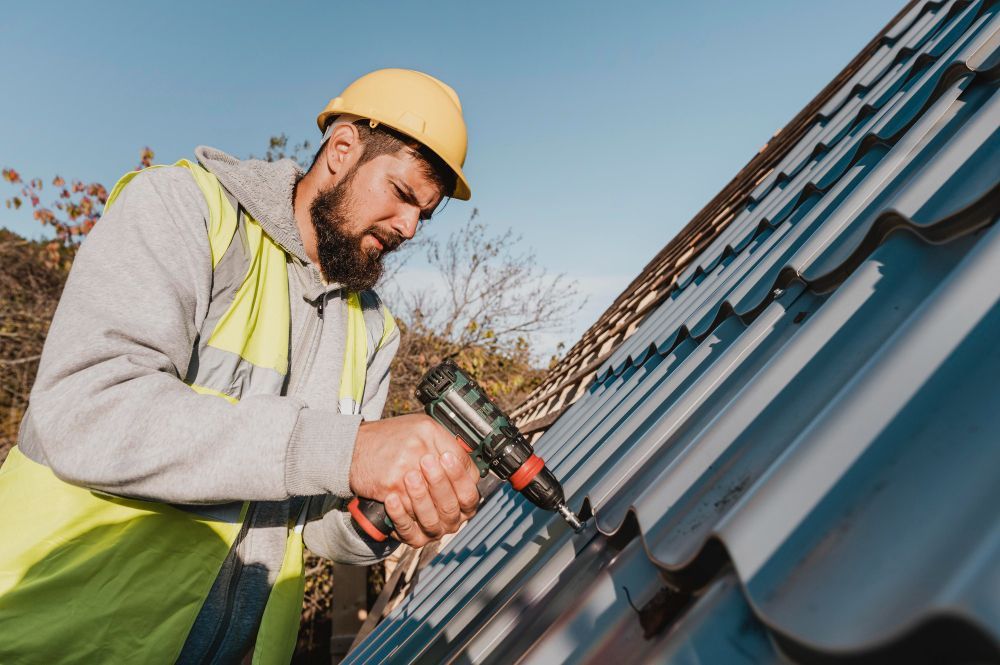
One broken tile does not always mean a new roof. Nor does one indoor drip always mean the damage is small. The real question is whether the trouble spot can be repaired without relying on roofing around it that is already failing.
Finding the Source, Not Just the Symptom
Water can travel along framing before it reaches a ceiling. Finding the wet room matters, but tracing the path above it matters more.
Show where the stain begins, where water drips, and whether the problem appears during ordinary rain or only when wind is involved.
At a wall, vent, or skylight, even a small flashing gap can matter. Those connections deserve a closer look than the stain alone.
A missing shingle or shifted tile may be obvious from outside. The harder question is what nearby pieces and any exposed layers look like.
Old caulk and fresh-looking patches tell part of the roof's history. They can also make it harder to see where water first entered.
A valley sends a lot of water through a narrow space. Debris, damaged edges, or a poor connection can change its path.
A patch is only useful if the roofing beside it can hold the repair. Brittle shingles or deteriorated layers may change the recommendation.
Different Roofs, Different Trouble Spots
The right fix depends on how the roof is built. A tile crack, a loose metal seam, and a lifted shingle should not all get the same treatment.

A stain over the hallway may have begun near a vent farther up the slope. During wind-driven rain, water can slip beneath an edge and move before it shows inside. Note exactly when the leak starts; that pattern can be more useful than the size of the stain.
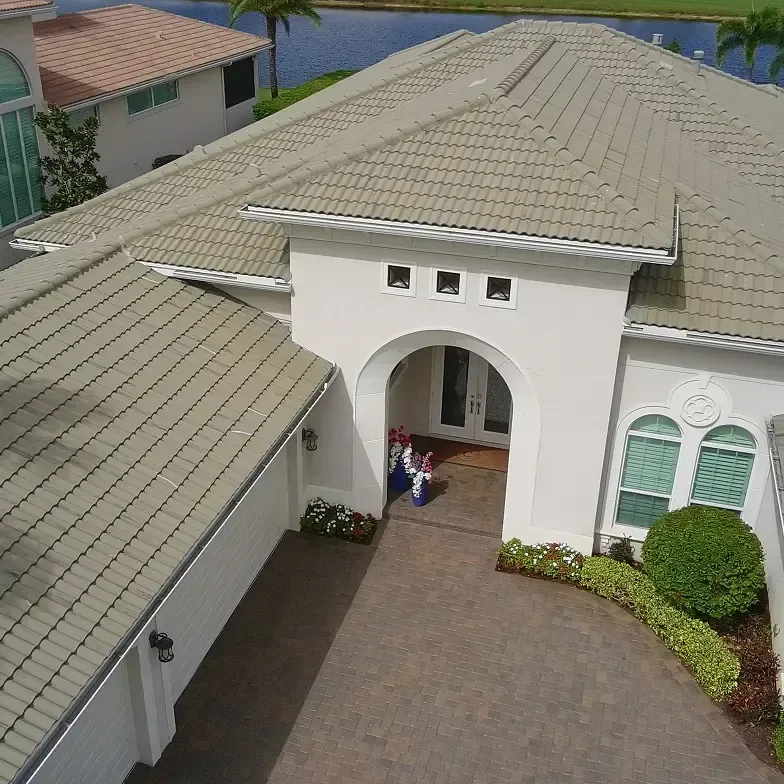
The cracked tile is the part you can see. The layer below may be damaged too, or it may still be doing its job. Nearby tiles, flashing, and the shape of an available replacement all affect how small the repair can remain.
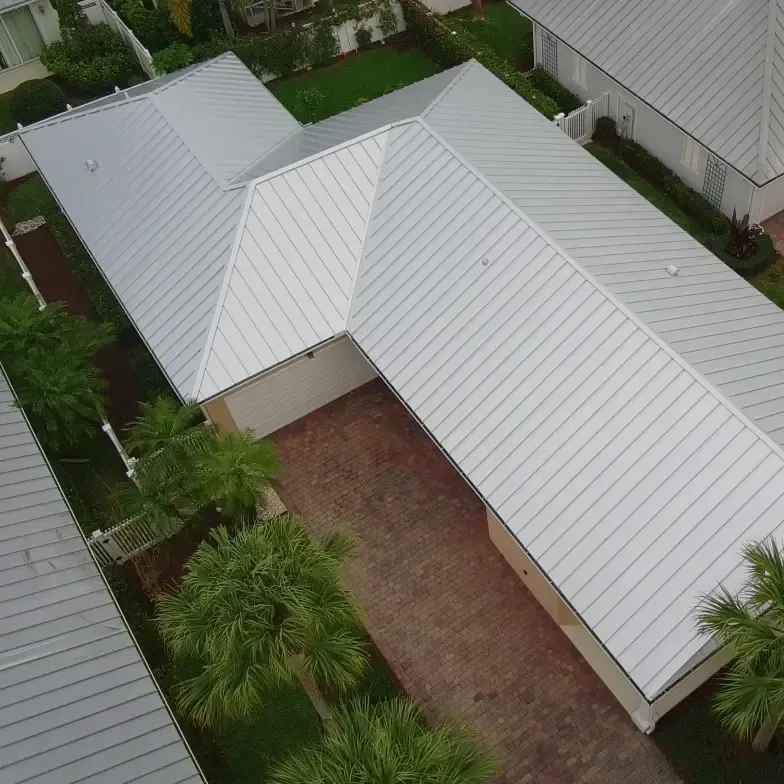
Metal roofing often stays sound across large areas while a connection lets water through. Seams, fasteners, and pipe flashings need to be checked against the actual panel design, not covered with sealant by default.
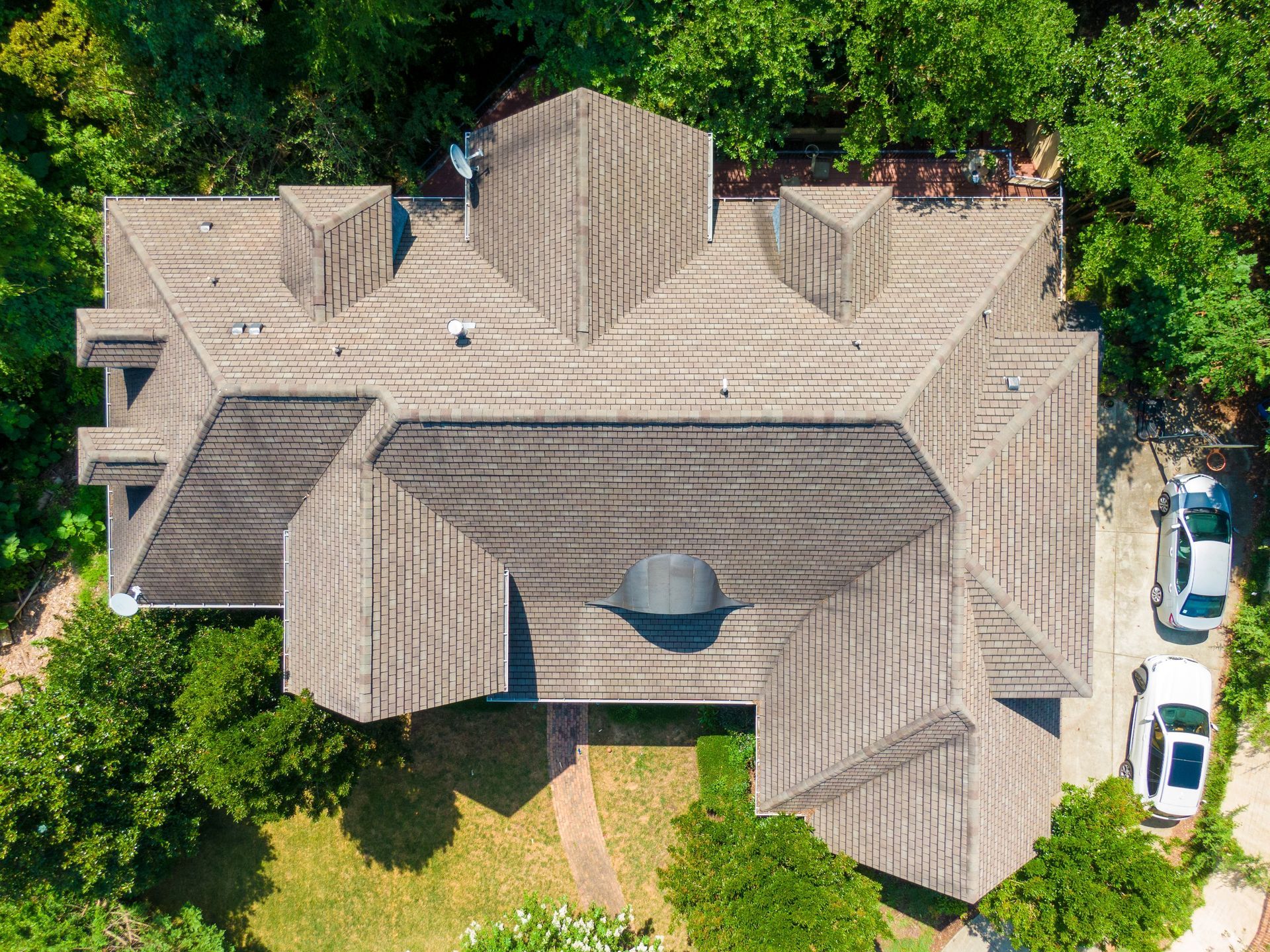
After a blustery day, look for missing shingles from the ground. One exposed patch may be fixable. If the surrounding shingles are brittle, curled, or lifting as well, replacing a few pieces may not solve much.
What Happens After You Call
You should know what is wrong, what work is planned, and what might change once roofing is opened. Those are the useful milestones in a repair, not just the date a crew arrives.
Start with the story of the leak. The last storm, the first stain, and any past patching can narrow the search considerably.
The next job is to compare that history with accessible roof details. A visible crack may be relevant, but it should not be treated as the answer without checking nearby areas.
The written scope needs to say where the work stops. It should also explain the materials and what happens if lifting the damaged area uncovers something else.
Once the work is approved, the affected components can be addressed as agreed. If something hidden changes the plan, that belongs in a separate conversation before extra work is done.
After the repair, keep the paperwork and know which area was worked on. The next hard rain may be the first chance to see whether the original symptom returns.
Palm City gets bright sun, sudden downpours, and storms that can push rain sideways. Those conditions are hard on roof edges and connections. When older tile or shingles need replacing, color and profile matching may take some planning.
The Bryton team works from 1312 Commerce Lane, Suite 3A, Jupiter, FL 33458. Palm City is within Martin County, one of the counties Bryton serves. Share your street address and roof type when asking about scheduling.
Ask About Palm City Appointments →Wet or windy conditions can make a roof unsafe to access. They may also affect when an opened area can be made weather-tight.
Some neighborhoods have rules about entry, work hours, or the appearance of replacement materials. Share those requirements before the date is set.
A screened pool enclosure or a narrow side yard can complicate reaching the roof. Mention access problems before equipment or materials arrive.
A newly installed tile or shingle can stand out beside weathered material. Find out what is available before expecting a seamless match.
Making the Right Call
A leak at one pipe boot and repeated leaks across three roof slopes are different problems. The condition of the rest of the covering is what turns a small repair into a replacement conversation.
When nearby roofing is still sound, fixing one damaged area can be sensible. The work should address the source of water entry, not just the mark it left indoors.
If each storm brings a new leak, small repairs can become an expensive way to postpone a larger decision. Widespread brittle or damaged roofing deserves a broader look.
What a Roof Repair Quote Should Explain
There is no useful price for 'fix the leak' without knowing where the water gets in and what must be disturbed to reach it. These are the details that can move a quote.
Swapping a few tiles is a different job from opening a valley, repairing the layers below, and rebuilding the connection.
Tile, shingle, and metal roofs each need compatible parts. Older styles can also be harder to match with available stock.
Some leaks can be traced from visible evidence. Others need more investigation before anyone can describe a responsible repair.
The surface may look fine while the material beneath it has been wet for some time. That cannot always be priced before opening the area.
A small leak beside a skylight or wall can involve several pieces working together. Those connections affect the amount of work.
A high, steep roof or one behind a pool screen may require a different access plan than an open, single-story slope.
Where a permit, inspection, or community approval applies, the proposal should say how it will be handled.
Broken roofing must go somewhere. Check who handles removal, hauling, and cleanup around the house.
Before You Approve the Job
A good quote is specific enough that you could point to the work area and explain what will be fixed. 'Seal roof as needed' does not tell you much.
The proposed repair should relate to the stain, leak, or displaced material that prompted the call. If it does not, find out why.
Look for the roof slope and exact junction in the description. That avoids confusion between one trouble spot and another.
Will the repair use new flashing, tiles, shingles, or underlayment? Those details matter more than a vague promise to patch.
Hidden wet material can change the job. Set out how a new finding will be explained and approved before it adds to the cost.
Keep one reliable contact for access questions and scope changes. You should not have to guess who makes a decision on site.
Check the amount, payment arrangements, exclusions, and any warranty actually put in writing for this particular repair.
Not every worn section needs work on the same day. Separate urgent problems from things to photograph and keep an eye on.
Know where to report a returning drip, and keep the before-and-after photos with the invoice.
Palm City Homeowner Questions
A roof leak is easier to sort out when you know what happened and when. These are the questions worth raising before anyone starts pulling up materials.
Yes. A small mark can come from water that traveled a long way through the roof or attic. Photograph it, note when it appeared, and have the cause checked rather than judging by its size.
That is a useful clue. If ordinary rain causes no problem but wind-driven rain does, the direction of the storm and the nearby roof edges may help narrow the search.
It can be, if the neighboring tiles and the material beneath them are sound. A cracked piece should not be replaced without considering what let water through and whether a compatible tile is available.
Sometimes. If the shingles around the gap are still in good shape, a local repair can make sense. If several courses are lifting, the problem is larger than the missing pieces.
The earlier patch may have covered a symptom without fixing the entry point. Another nearby detail might also have failed. Old photos and invoices help show what has already been tried.
Skylight flashing is one of the details worth investigating. Tell the team exactly where water appears, including whether it reaches the frame or shows up farther across the ceiling.
No. A wet or damaged roof is a fall risk. If safe, move belongings away from the interior leak and contact a roofer rather than trying to cover it yourself.
Not always. Access and the condition under the visible covering decide how much has to be opened. Have the contractor identify the expected opening and restoration area.
Your insurer decides that under the policy. Save photos taken from a safe place, follow the insurer's reporting process, and keep the roofing proposal separate from the coverage decision.
Rain, unsafe access, or a hard-to-match material can affect the schedule. A leak that needs further investigation may also take longer to define than a visible broken piece.
The written warranty is the one that counts. Check the repair area it covers, how long it applies, any exclusions, and who to contact if the same symptom returns.
Palm City is in Martin County, within Bryton's stated service region. Send the Jupiter team the property address and a description of the roof so it can confirm availability.
A stain that keeps returning or a few pieces of missing roofing are worth sorting out before more rain arrives. Tell Bryton Roofing where the trouble is, and get a clear explanation of the next reasonable step.
Roofing License Number CCC1336269