
Existing Roof Condition
Cracked surface tiles are one thing; worn underlayment or damaged supporting material is another. The existing roof determines the starting scope.

A Tile Roof Should Do More Than Look Good
Tile can give a North Palm Beach home its character, but what sits underneath matters just as much as the color or shape. Bryton Roofing helps homeowners look at the existing roof, the underlayment, and the places water moves between tile and other materials before deciding on the work.
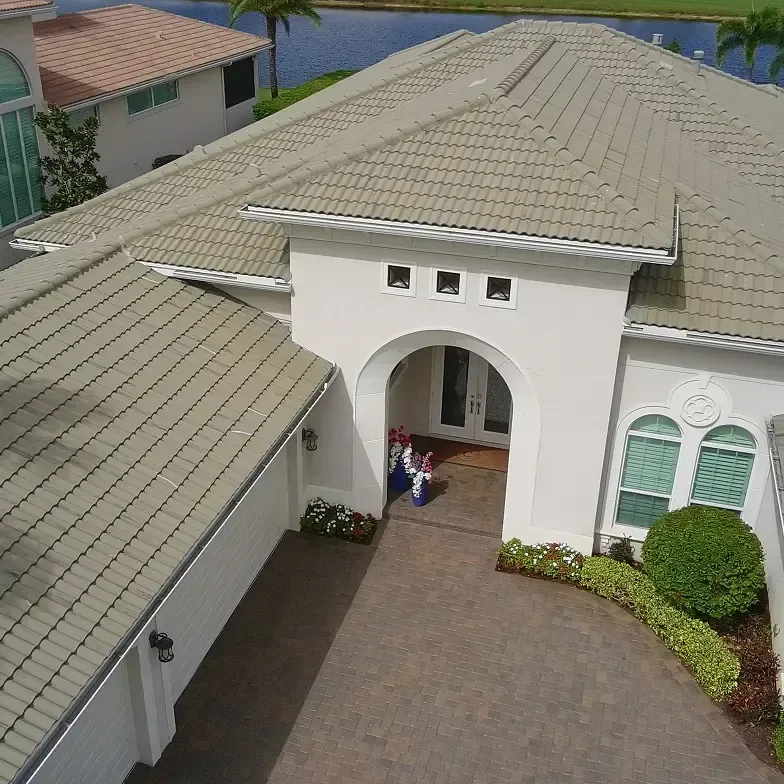
A tile roof may look fine from the street while the layers beneath are aging. Conversely, a few broken tiles do not always call for an entirely new roof. The starting point is the condition of the assembly, the weight and profile of the tile, and how water leaves the roof.
The Decisions Beneath the Finish
A tile sample tells you what the roof might look like. It does not tell you what is below the existing covering or how the new system will meet walls, ridges, and valleys. Those details shape the project.
Cracked surface tiles are one thing; worn underlayment or damaged supporting material is another. The existing roof determines the starting scope.
Tile varies in profile, material, and weight. A proposed change in covering may call for a separate look at what the roof can support.
Rain that gets past a tile still needs a way out. The planned underlayment and related layers matter as much as the visible surface.
Water tends to find weak connections. Pipe openings, chimneys, walls, and changes in roof material need suitable flashing details.
Hips, ridges, valleys, and low sections can complicate tile layout and drainage. Each changes how pieces and accessories fit together.
An exact match is not always available for older tile. Profile, color variation, and accessory compatibility affect repair and replacement choices.
Tile Roof Decisions
Four parts of a tile project are easy to overlook when the first decision is color. Each has a direct effect on how the roof looks and sheds water.
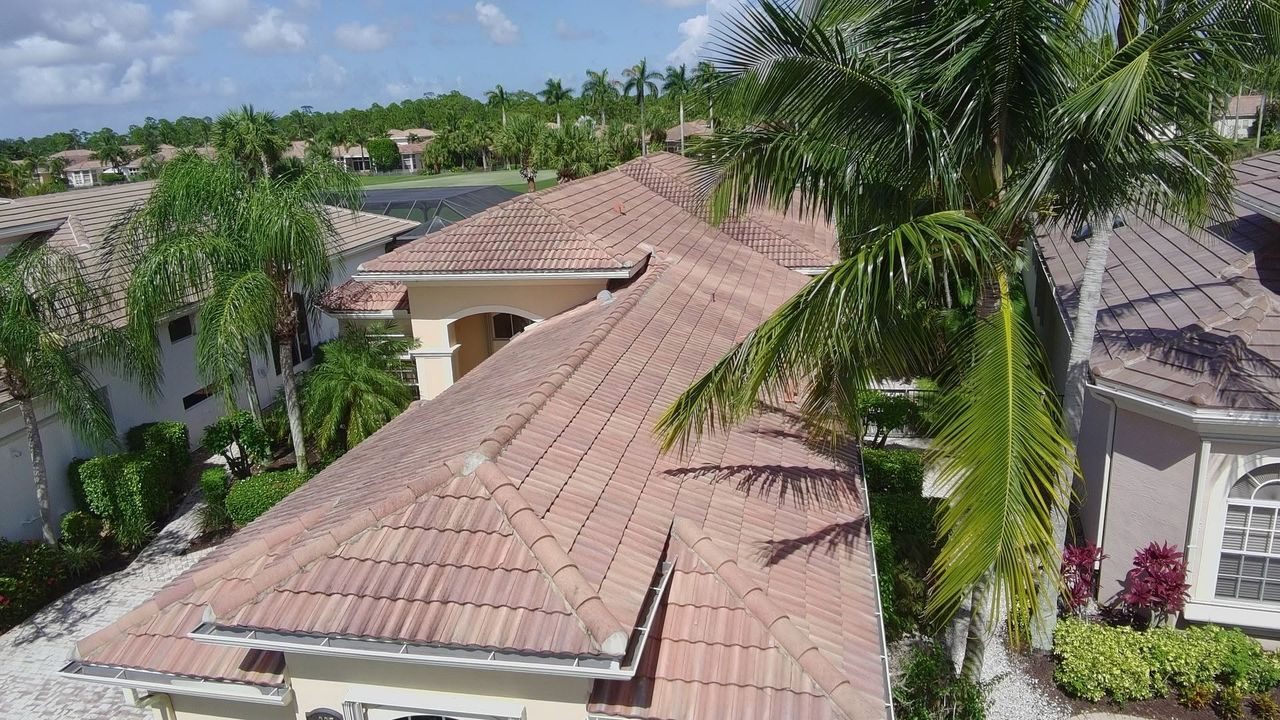
An older tile covering may hide worn underlayment even when many tiles look intact. Leak locations, past repairs, and accessible roof details help establish whether limited work is sensible or a broader project is needed.
Clay and concrete tile do not all look or weigh the same. Their profiles also change the finished roofline and the way ridges, edges, and adjoining surfaces are detailed. The house has to suit the product, not just the other way around.
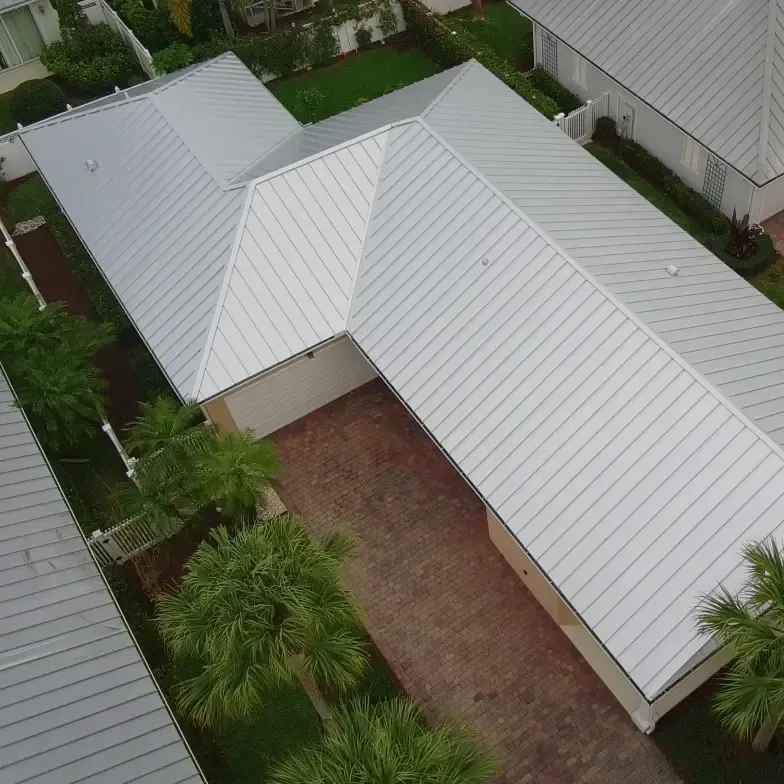
The weak point is not always a tile. Valleys, pipe openings, roof-to-wall junctions, and metal edges direct water through complicated areas. A sound tile plan needs specific details for those connections.
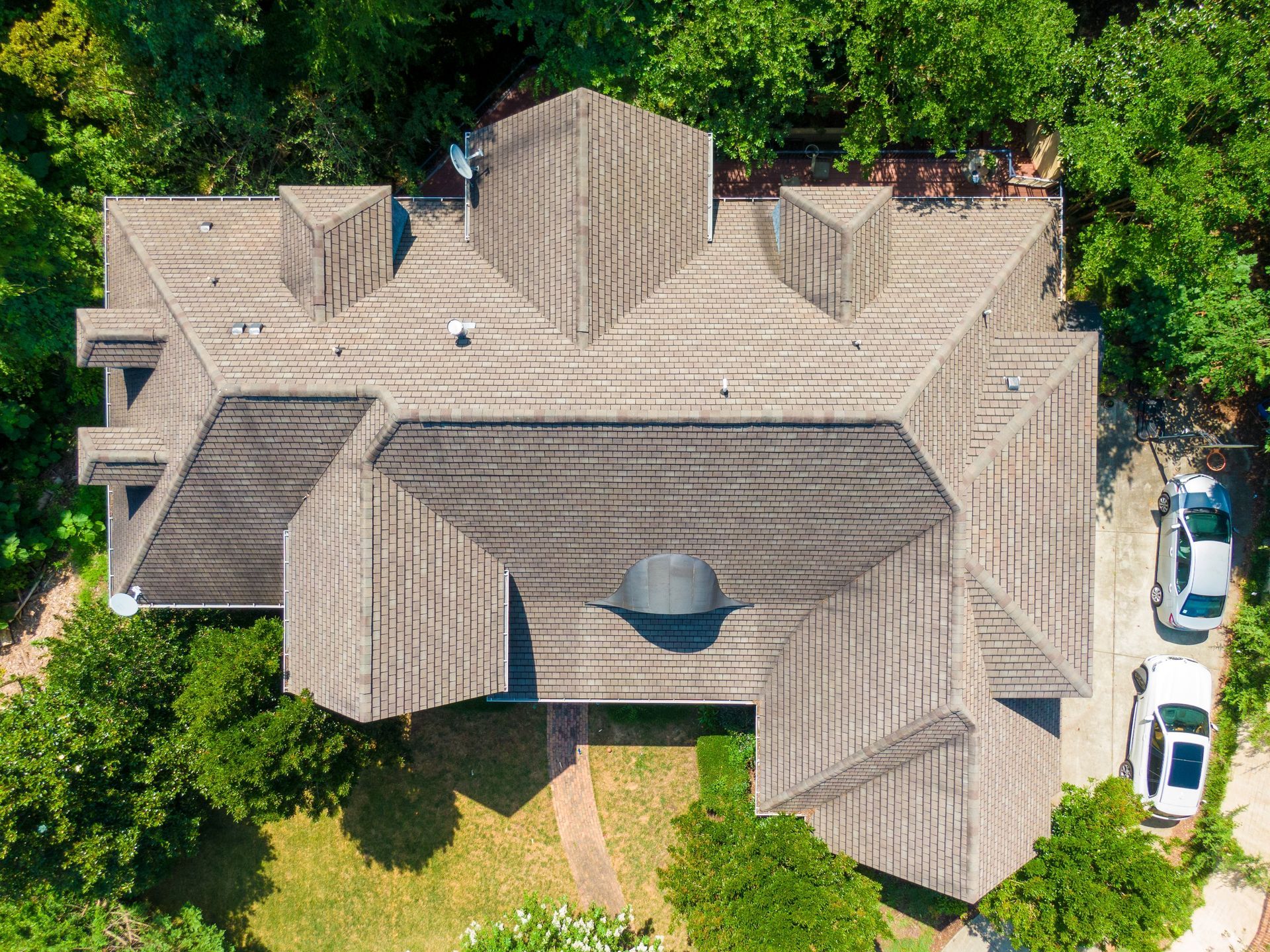
On a house with both tile and shingles, the boundary between them deserves its own plan. Changes in height, flashing, and the route rain takes can affect both sections, even when only one is being replaced.
Tile Roofing From Planning to Care
A tile roof involves more than choosing pieces from a sample board. Knowing what happens to the old covering, which concealed layers are included, and how the finished edges will look helps prevent misunderstandings.
A favorite tile profile is a helpful starting point. So are photos of the house, known leak locations, and any plans to remodel parts of the roofline.
The shape of the roof controls much of the installation. Accessible valleys, ridges, walls, and existing details can be examined upfront; concealed conditions may remain unknown until work opens them.
The scope should connect the selected tile to underlayment, flashing, accessory pieces, removal, and possible hidden repairs. A color name on its own leaves too many decisions unanswered.
Site access, material staging, and roof details all affect the job on installation days. Any discovery that changes the accepted scope should be explained before extra work proceeds.
A finished tile roof still needs care. Keeping records of the material and agreed work is useful if a tile shifts, a leak appears, or a future contractor needs to identify the system.
Strong sun, sudden downpours, and wind-driven rain are familiar conditions in North Palm Beach. Water can be pushed toward exposed edges and roof connections, even where the field tiles look undamaged. Tile selection should suit the home's architecture, but the underlayment and flashing plan deserve equal attention.
Bryton Roofing's office is at 1312 Commerce Lane, Suite 3A, Jupiter, FL 33458. For a North Palm Beach home, the existing roof type, property address, and proposed tile work help the team determine current project availability.
Ask About Tile Roofing in North Palm Beach →Exposed ridges, perimeter tiles, and flashing intersections have to cope with rain coming from more than one direction.
The right tile profile depends partly on the roofline. Neighborhood appearance requirements, where applicable, can also affect the choice.
Near the coast, exposed metal accessories and fasteners may need particular attention when the proposed tile system is specified.
Tile and removed roofing materials take space. Driveways, landscaping, and access routes can influence how the site is arranged.
An Important Tile Roof Decision
Broken tile can be obvious. A failing layer underneath it usually is not. That difference matters when deciding between a small repair and a larger tile roofing project.
A few damaged pieces or one flashing defect may be a manageable repair if nearby components remain sound. The source of any leak still needs to be understood.
Leaks in several places, suspected underlayment failure, or widespread deterioration are different from a few broken pieces. At that point, replacing individual tiles may leave the main problem untouched.
Understanding Tile Roofing Costs
A tile roofing estimate can look expensive or inexpensive depending on what is included beneath the tile. Compare the entire roof assembly, removal work, and finishing details instead of the tile line item alone.
A roof with many hips, valleys, and slope changes takes more fitting and detail work than a plain roof of similar area.
Clay and concrete products come in different profiles and finishes. Matching ridge pieces and other accessories are part of the choice.
Existing underlayment, coverings, and substrate conditions may affect how much work is needed before the new tile goes down.
Tear-off, hauling, and disposal depend on the old covering and the scope agreed for its removal.
Around skylights, walls, pipes, and roof changes, the job calls for components that fit the selected tile system.
Steep slopes, tall roof sections, and limited space around a home can complicate access and material handling.
Some projects involve approvals or additional structural questions. The estimate should identify which requirements, if any, are included.
Final edge work, removed material, and jobsite cleanup can be easy to overlook when prices are compared.
Questions Worth Settling Early
A useful tile proposal tells you what the finished roof will be made of and what happens before the first new tile is laid. Those details are more valuable than a broad promise of 'new tile roofing.'
Profile, color, finish, and the selected product should be identifiable. 'Concrete tile' alone may describe several very different options.
The scope needs to explain whether existing underlayment comes off and how any unsuitable decking would be addressed.
Ridges, hips, valleys, eaves, and wall junctions are part of the roof system, not minor trim pieces.
Damp or damaged material may be hidden under the current roof. The agreement should set out what happens if that material is uncovered.
Material deliveries, site protection, and debris removal need space around the house. Restricted access can change the arrangement.
A substitution or change in price should not come as a surprise after installation. The approval method belongs in the paperwork.
Knowing what shifted tile or blocked drainage looks like makes future roof care more practical and less guesswork.
An invoice is useful, but the final scope, tile identification, and actual warranty documents are equally worth keeping.
Questions About Tile Roofs
Tile roofing raises questions that do not come up with every type of covering. These answers address what homeowners often want to know before committing to a project.
It may be, but the roof's shape and supporting structure matter. The selected tile's weight, its drainage details, and the existing assembly all need consideration before deciding.
Sometimes. If the surrounding roof is sound and compatible pieces are available, limited tile work may be practical. A broken tile, however, can be a symptom rather than the source of a leak.
Both can provide a tile appearance, but clay and concrete products differ in profile, weight, finish, and other product details. It is more useful to compare specific options than make assumptions about either material.
No. Tile sheds much of the rain, while underlayment and flashing help manage water that reaches the layers below. That is why an older roof can leak without widespread broken tile.
A change from shingles to tile may be possible, but tile weight and the existing roof structure are central questions. Roof layout, connections, and any applicable requirements also affect the plan.
Even a matching product can stand out next to tile that has weathered for years. Manufacturing differences, aging, finish, and profile availability can all affect the result.
From the ground, displaced pieces, debris, or new interior stains are clues worth recording. Walking on tile can cause damage or injury, so a suspected problem is better assessed professionally.
Valleys move a lot of water, and edges are exposed to the weather. The tile layout and compatible flashing details have to work together in those places.
Possibly. Some associations regulate exterior colors or materials. The rules for your property, rather than a general assumption about the neighborhood, will decide whether approval is needed.
A simple tile roof and one with many valleys or a complicated removal will take different amounts of time. Weather, access, material availability, and any concealed damage can also affect the schedule.
Only the written terms for the proposed job can answer that. Product coverage and workmanship coverage may be separate, with different conditions, exclusions, and periods.
Bryton is based in Jupiter and considers roofing work in its surrounding service area. The North Palm Beach address, existing roof, and scope you have in mind will help confirm availability.
Thinking about tile for your North Palm Beach home, or dealing with a tile roof that keeps leaking? Share the roof's history and the look you have in mind. The next step is understanding the roof underneath, not just picking a tile color.
Roofing License Number CCC1336269