
Overall Wear
One worn slope may need attention, while widespread cracking or deterioration points to a much larger problem.

When Another Repair Isn't Enough
One patch may stop a leak. It will not fix roofing that is wearing out across several slopes. If water keeps finding new ways in, or repairs are becoming a regular expense, Bryton Roofing can help Juno Beach homeowners weigh a new roof against more work on the old one.
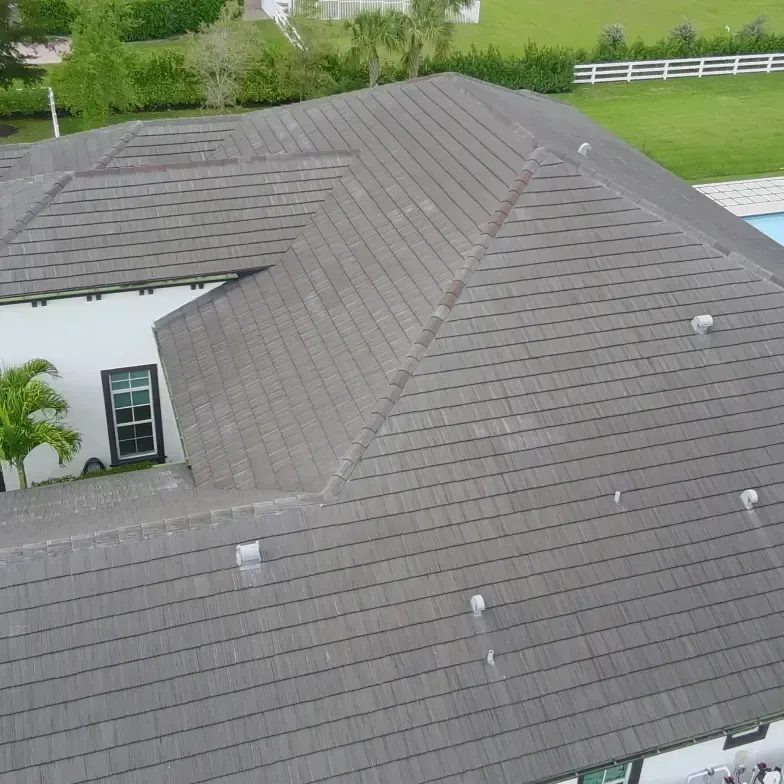
A missing shingle does not mean the whole roof has failed. The picture changes when leaks appear in different rooms, large areas show wear, or earlier repairs no longer hold up. The condition of the roof as a whole matters more than any single damaged spot.
Know What Is Being Replaced
A replacement decision starts with what is already on the house. Surface wear is one piece; roof openings, drainage paths, and the layers underneath can change the work required.
One worn slope may need attention, while widespread cracking or deterioration points to a much larger problem.
A stain that returns after several repairs tells a different story from a leak traced to one damaged flashing.
The decking and other covered components may not be fully visible until the existing material comes off. The proposal needs a way to handle surprises.
Pipes, vents, skylights, chimneys, and wall joints all interrupt the roof surface. Their connections affect the next installation.
Water has to get off the roof. Valleys, changes in slope, and perimeter edges deserve attention, especially where rain blows sideways.
The new covering needs to suit the roof's shape, the home, and the level of upkeep the owner is comfortable with.
Options for the Next Roof
Tile, metal, and shingles all change the look of a house, but appearance is only the beginning. Their underlying components and roof details are different too.
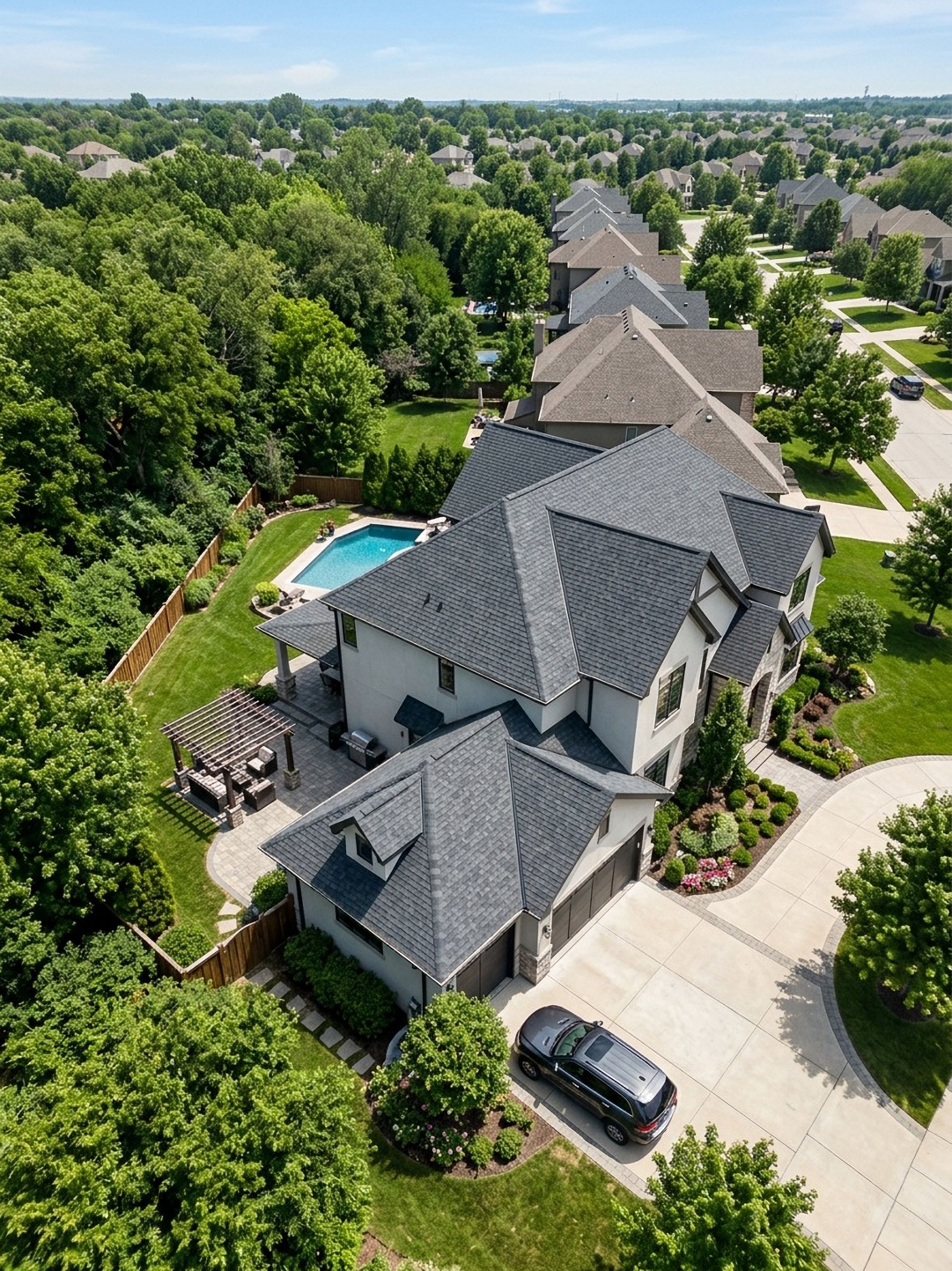
Before choosing a product, it helps to know whether the trouble is limited to one area or scattered across the roof. Leak records, past repairs, and an inspection of accessible surfaces can give that decision some grounding. Covered areas may still remain unknown.
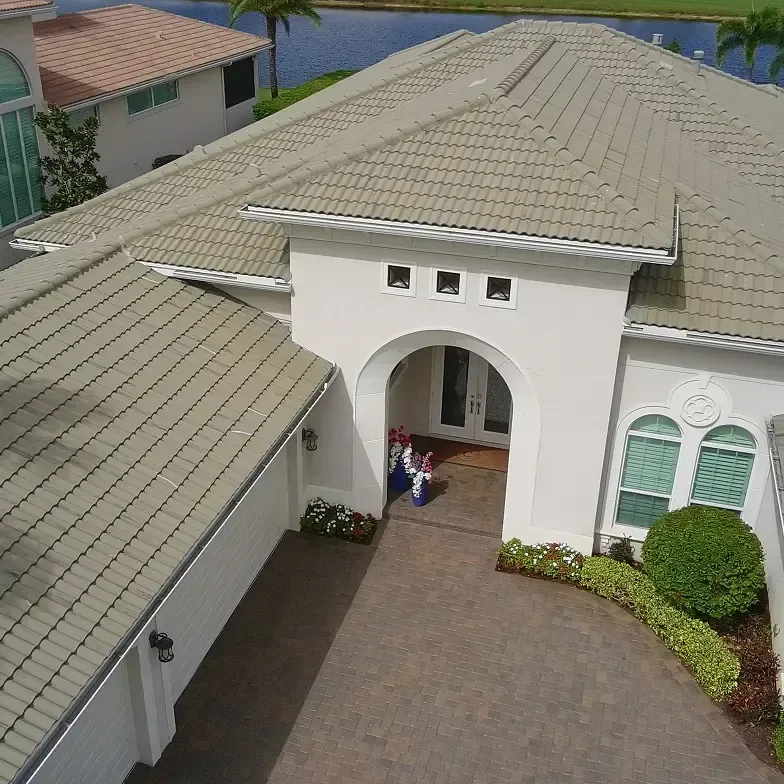
Tile changes the look of a Juno Beach home, but it also changes what the roof has to support. Tile weight, roof shape, underlayment, and edge details belong in the decision alongside color and profile.
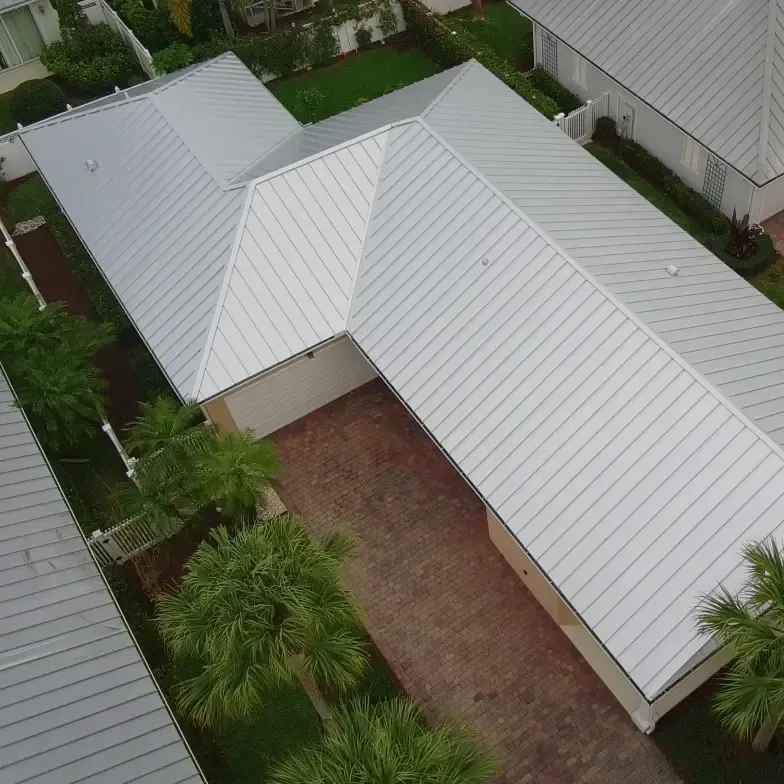
With metal, panel shape and fastening style influence how the pieces join. Seams, wall connections, and openings are as important as the finish seen from the driveway.
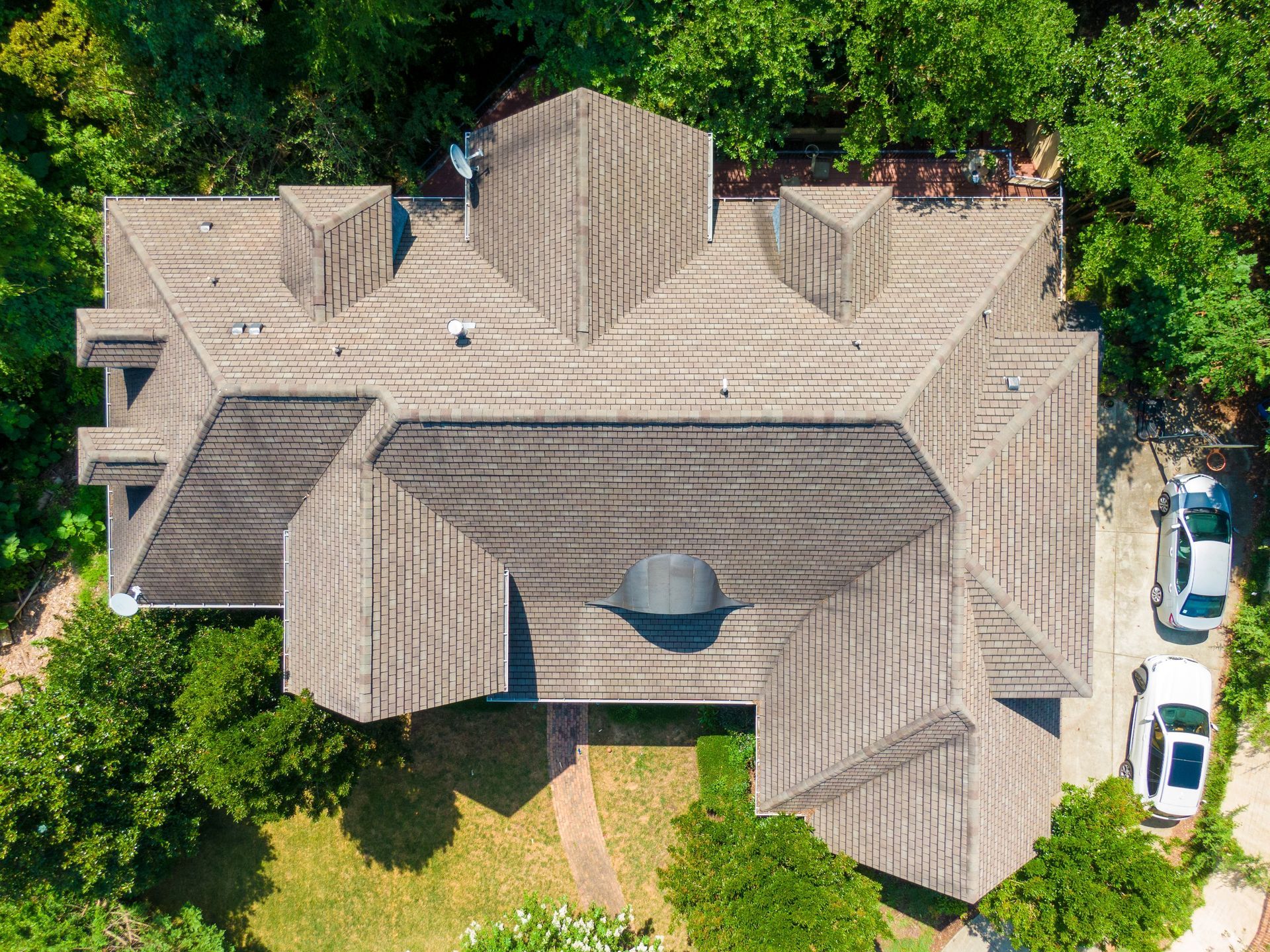
A new shingle roof is not just a fresh layer of shingles. Underlayment, flashings, pipe connections, and any decking found damaged during removal all affect the finished job.
What a Replacement Project Involves
The disruptive part of replacement is often the work homeowners cannot see from inside. Knowing what will be removed, where debris will go, and how changes are approved makes the project easier to follow.
The first conversation should get beyond 'the roof is old.' A history of leaks, earlier patch jobs, or plans for a different material helps explain why replacement is on the table.
Accessible roof surfaces and connections provide the starting picture. Decking hidden beneath the old covering is a separate question and may only become clear during removal.
The written scope should name the chosen covering and the supporting components, not simply say 'new roof.' Removal, possible deck work, exclusions, and payment terms belong there too.
Weather and site conditions can change the sequence of roof work. If removal reveals a problem outside the accepted scope, the change should be explained and approved before extra work goes ahead.
At the end, the owner should know what was installed, which records to keep, and what signs might warrant a call later. Any maintenance instructions and written warranty terms belong with those records.
Juno Beach gets intense sun and periods of heavy, wind-driven rain. Those conditions make roof edges, valleys, and connections between roof planes worth careful attention. A replacement also changes a home's appearance, so the material choice needs to work with its architecture.
Bryton Roofing is based at 1312 Commerce Lane, Suite 3A, Jupiter, FL 33458. Homeowners in Juno Beach can share their address, roof material, and main concern so the team can confirm whether the proposed work is available.
Discuss a Juno Beach Roof Replacement →Wind-driven rain puts extra attention on edges, roof openings, and the places flashing meets the covering.
A roof with several hips, valleys, or levels takes a different installation plan from one broad, simple slope.
Some neighborhoods have rules for visible materials or working hours. The property's own requirements determine what applies.
A driveway may become a delivery route. Space for materials, debris, and safe access needs to be considered before work begins.
Repair or Replace?
One more repair may be sensible. Or it may mean spending money on a roof that is already failing in several places. The choice depends on the condition beyond the latest leak.
If the trouble can be traced to one part of an otherwise sound roof, a focused repair may be enough. There is little reason to remove serviceable material without a broader cause.
When leaks keep moving, materials are deteriorating across large areas, or patches repeatedly fail, replacement becomes worth considering. The extent of that damage still needs to be established.
What Goes Into the Price
Two roof replacement estimates may have very different totals because they cover different work. The price means more when you know what comes off, what goes back on, and what remains excluded.
A large roof uses more material, while steep slopes and intersecting sections can make the work less straightforward.
Shingles, tile, and metal involve different products, accessory pieces, and installation details. The selected system shapes the material cost.
Removing one covering is not always the same job as removing multiple existing layers. Hauling and disposal also have to be accounted for.
Soft or damaged decking can remain hidden until tear-off. The final amount depends on what is found and the approved response.
Skylights, walls, vents, chimneys, and valleys break up the roofline. Each may need its own flashing details.
Height, pitch, landscaping, and the space available for equipment can affect how materials and crews reach the roof.
Any required permit, inspection, community approval, or related document needs to be reflected in the proposed scope.
Removing roofing creates waste. The estimate should account for the agreed protection, debris removal, and final cleanup.
Before the Old Roof Comes Off
Before the old roof comes off, the contract should make clear what you are buying. The most useful details are often the ones that never show in a roof photo.
The scope should identify the old covering and other components scheduled to come off, along with anything intended to remain.
A product name is not enough. Underlayment, flashing, edge pieces, and other components complete the chosen roof system.
Rot or other damage beneath the covering may be discovered only after removal. The agreement should explain how extra work is priced.
Nobody should have to guess whether a substitution or added charge was approved. The process belongs in writing.
Driveway access, delivery space, planting beds, debris placement, and cleanup are practical parts of the job, not afterthoughts.
Payment dates, scheduling conditions, exclusions, and any actual written warranty terms should be clear before signing.
Different coverings have different upkeep needs. Those expectations are worth understanding before choosing the material.
Product information, invoices, inspection records, and the final agreed scope are useful if questions come up years later.
Replacement Questions From Homeowners
Replacing a roof raises questions about daily disruption as well as materials and price. Here are the details worth sorting out for a Juno Beach home.
Look for a pattern rather than a single flaw. Water entering at several spots, extensive surface deterioration, and repairs that do not last are reasons for a closer evaluation. None automatically proves that replacement is required.
No. A single leak might come from one flashing or damaged area. The question is whether the surrounding roof still has enough serviceable life for that repair to make sense.
Sometimes. A change from shingles to tile or metal can affect weight, connections, roof details, and approvals. The house and proposed material have to be considered together.
The accepted scope should say which layers will be removed, where debris will go, and how nearby property will be protected. Those details can differ from one roof to another.
Hidden damage is one reason the change-approval process matters. A documented finding, a price for the extra work, and your approval should come before work outside the original scope.
No contractor can promise that every future source of water intrusion is impossible. What matters is the defined installation, any areas left outside the work, and the warranty actually provided in writing.
Rain and wind can interrupt tear-off or installation. The schedule needs room for weather decisions, particularly while portions of the old covering are being removed.
Not necessarily. It depends on the property and the work underway. There will be noise and activity around the house, so unusual access or household needs are worth raising early.
Coverage is determined by your policy and insurer, not by the roofing estimate. The insurer can explain claim requirements; a separate written replacement scope helps you understand the proposed work.
A simple roof and a complex one will not have the same schedule. Material choice, weather, access, removal, and unexpected deck work can all change the duration.
Compare line items, not just totals. One proposal might include tear-off, flashing, underlayment, and cleanup that another leaves out. Warranty language and exclusions can differ as well.
Bryton is based in nearby Jupiter. A Juno Beach address, the existing roof type, and the work you are considering will help the team check project availability.
If the leaks keep returning or the existing roof is reaching the point where repairs no longer make sense, share the history with Bryton. That is a better starting point for replacement planning than choosing a new material from a photo alone.
Roofing License Number CCC1336269