
Building Use and Exposure
Start with what the building is used for and which rooms cannot tolerate water or work disruption. That helps set priorities for the roof discussion.

Your Building's Roof Affects More Than Just the Building
When a roof leaks above stock, workstations, or tenant space, you cannot make the decision on roof appearance alone. Fort Pierce owners and managers can bring Bryton Roofing the building details and current concerns to find out whether the requested commercial work is within its scope.
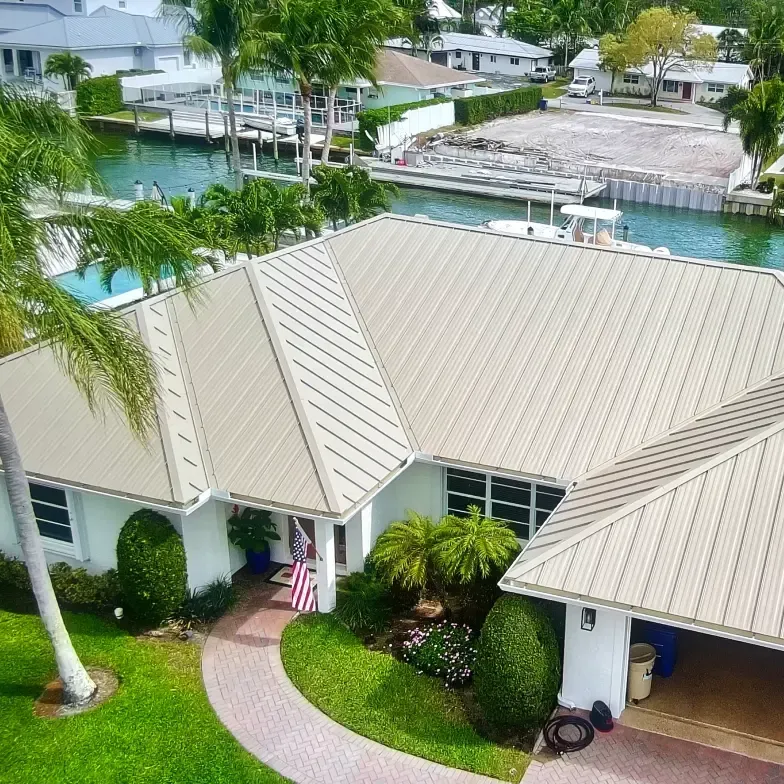
A persistent drip beside rooftop equipment may have a very different cause from water collecting around a drain. The first step is to identify the roofing system, track where water is going, and understand which parts of the building must stay in use.
Looking at the Roof as a Working System
On a business property, a roof issue can interrupt more than the building itself. Access, equipment, drains, and tenants can all affect how the work is approached.
Start with what the building is used for and which rooms cannot tolerate water or work disruption. That helps set priorities for the roof discussion.
A seam that has pulled apart or a worn surface detail may be visible. The meaning depends on the roof material and how that system is assembled.
A blocked scupper or drain can leave water where it should not remain. Check how runoff reaches each outlet, not just whether the outlet exists.
Every pipe, vent, and equipment curb creates a change in the waterproofing. These are common places to trace when leaks show up near machinery.
Perimeter trim and wall connections see wind and moving water. A gap there can matter even when the middle of the roof looks fine.
Previous patches, rooftop service traffic, and limited access all affect what can be learned on the first visit. Put unknown areas on the list rather than assuming they are sound.
Pay Attention to the Connection Points
A commercial roof is not one standard design. These are four places where owners often find useful clues before deciding what work to request.
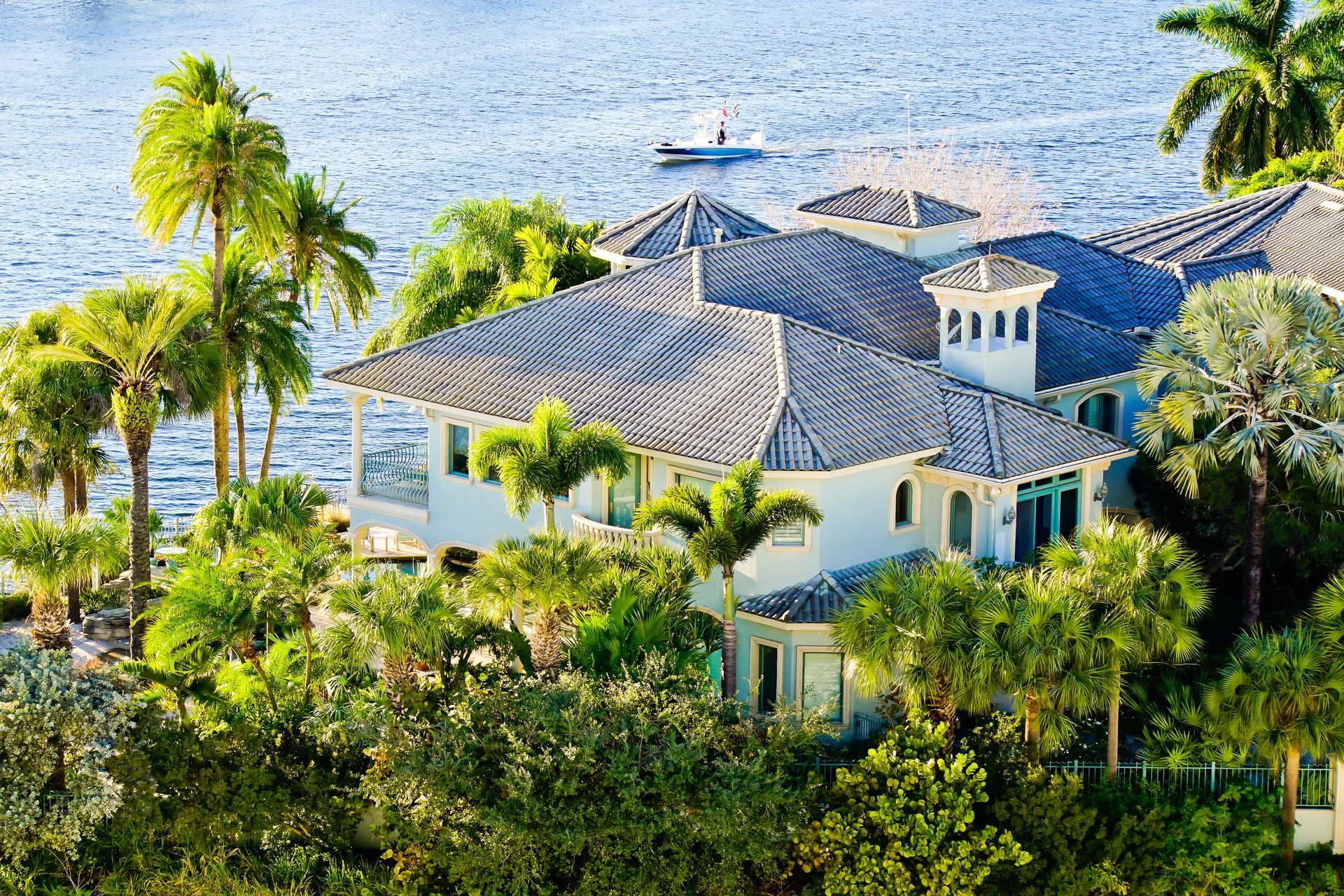
Water above a storeroom might enter several feet away, then travel along a deck or structural member. Start with the affected room and the rain pattern, but follow the roof's drainage path before declaring the entry point.
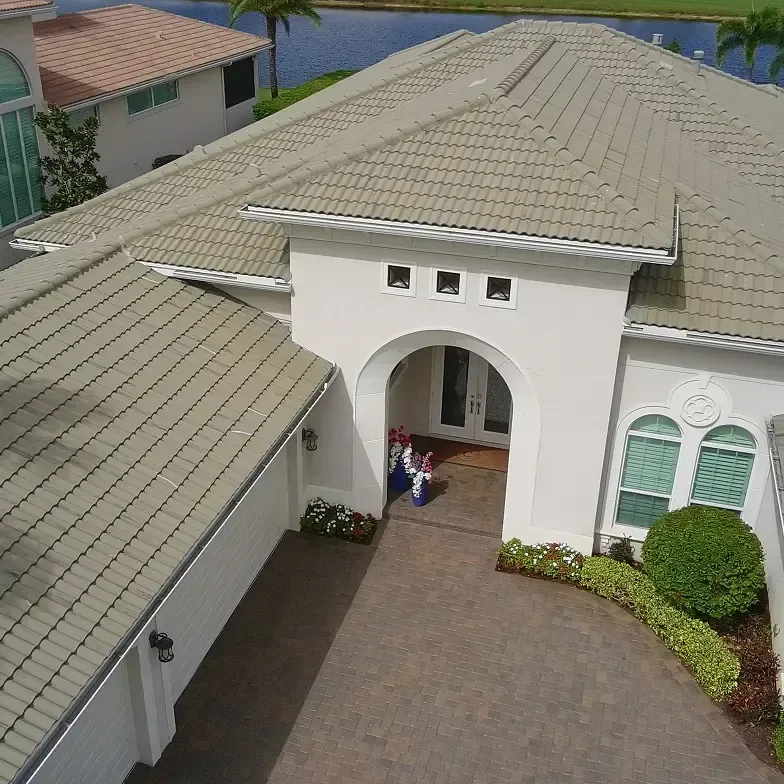
One building may have a low-slope main roof and a pitched entrance canopy. The change in level is not a small detail: runoff from the upper area must be directed safely over or away from the lower roof.
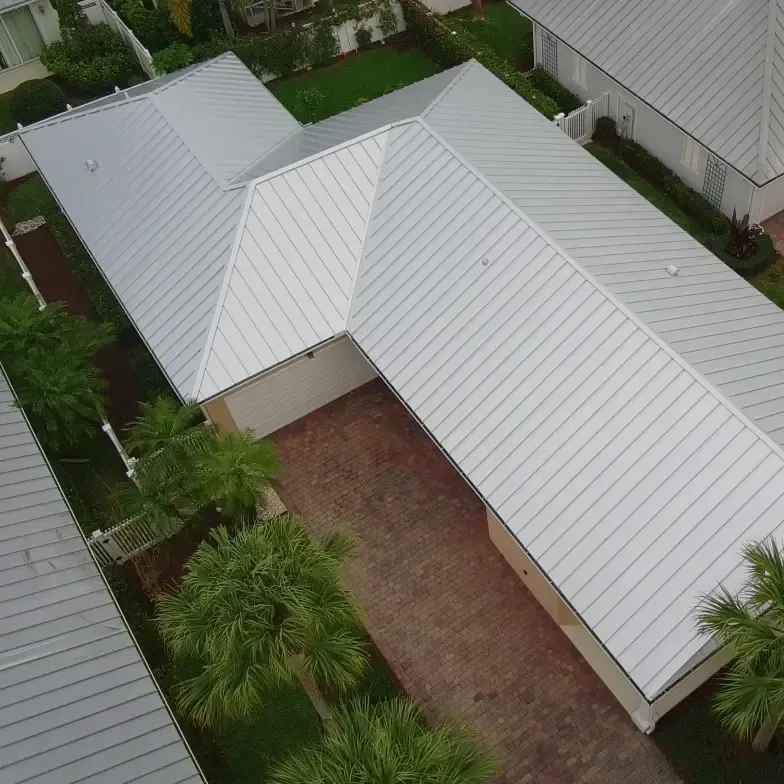
Metal roofing on workshops or office additions can fail at a seam or fastening point while the broad panels remain usable. The installed panel profile determines which fixes are compatible.
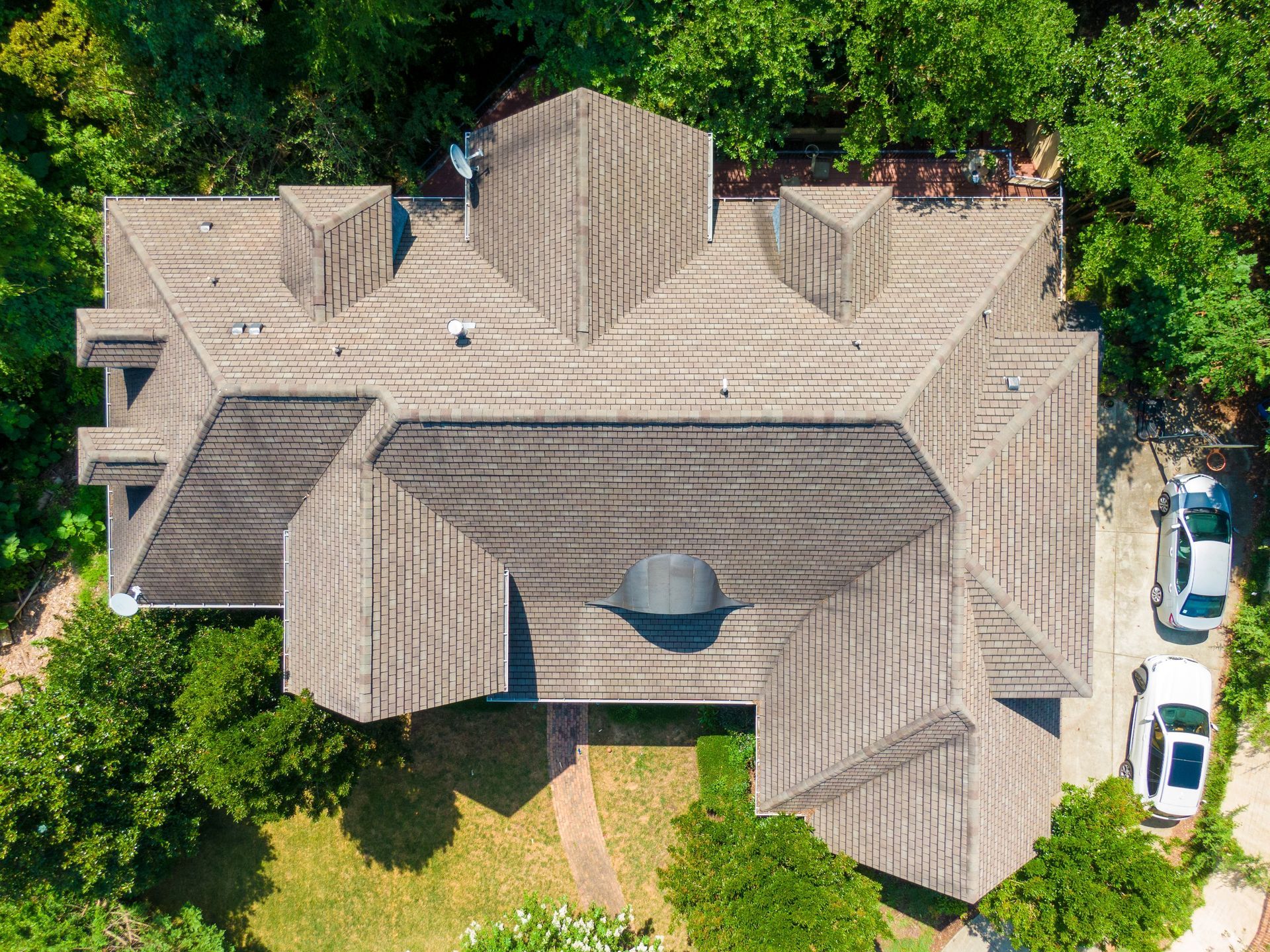
Not all shops and small offices use low-slope systems. A pitched shingle roof needs attention to lifted tabs, penetrations, valleys, and the condition of neighboring courses after wind.
A Clear Plan for the Property Manager
The best plan starts with a person who knows the building and ends with records the next manager can use. In between, someone needs to account for tenant access, equipment, and the actual roof system.
Before anyone visits the roof, gather the leak log, previous repair information, and any roof drawings. Identify the person who can approve a change.
The roof assessment should concentrate on accessible trouble spots and site constraints. Areas that need special access or further testing should be identified, not guessed about.
A scope needs boundaries: which roofs, which details, which materials, and what is excluded. That makes competing proposals easier to compare.
If work goes ahead, decide how deliveries, noise, rooftop equipment, and occupied spaces will be handled. A surprise shutdown is not a scheduling strategy.
Put the completed roof areas, materials, and any written terms into the maintenance file. The next leak report should not start from zero.
Fort Pierce buildings see strong sun, humid air, and heavy rain. On broad roof areas, water movement matters: drains, scuppers, and the space around rooftop units should not be afterthoughts. The exact roof system still determines the right response.
Bryton Roofing is headquartered at 1312 Commerce Lane, Suite 3A, Jupiter, FL 33458. Fort Pierce is in St. Lucie County, within Bryton's stated regional service area. Provide the site address, building type, and roof details to confirm whether the project is a fit.
Ask About a Fort Pierce Property →Wet roof surfaces, high winds, or unsafe access can change the inspection or work schedule. Plan around safety rather than assuming the roof is always reachable.
Let tenants and staff know about planned access restrictions or noisy periods once a real work schedule is established.
HVAC contractors and roofing crews may need the same roof area. Record service plans for rooftop units before agreeing to a sequence of work.
A repair product needs to work with the roof already installed. Start by identifying that system, not by shopping for a generic coating.
Choose a Scope That Fits the Building
One leaking curb does not necessarily call for replacing a whole building roof. Repeated failures across different areas are another matter. The roof's broader condition should guide the investment.
A localized problem is worth isolating when the surrounding roofing remains serviceable and the affected detail can be addressed without creating new weaknesses.
If water keeps appearing in separate areas, repeated patch costs can obscure a larger problem. A building-wide assessment may support a more realistic capital plan.
Beyond a Price Per Square Foot
Square footage is only the start. An occupied building with equipment, multiple roof levels, or limited access can demand far more planning than a simple empty structure.
A wide, simple roof and a smaller roof split across levels do not require the same labor, staging, or material quantities.
A metal panel system, a sloped shingle roof, and a low-slope assembly have different parts and repair limits. Identify what is installed before pricing an option.
Tracing a leak around several roof features takes time. If more testing is proposed, the estimate should explain why it is needed.
Wet or unsound material below the surface may not be visible at first. Set out how that discovery would affect approval and cost.
Drains, parapets, curbs, and wall connections may need detailed work even when the broad roof area is unaffected.
Building height, access routes, loading space, and people using the site determine how materials and crews can move safely.
Spell out any permits, inspections, building rules, and coordination duties connected to the specific proposed work.
Removed material needs an exit route. The proposal should cover debris control, haul-away, and restoring affected areas.
Keep the Site and Scope Organized
A roof proposal also affects people who work below it. Before approving work, tie the roof plan to the way the building actually operates.
List the rooms, goods, or systems most vulnerable to water and construction activity. Those priorities belong in the planning conversation.
Mark the wings, roof levels, and attached structures included. A small detached canopy should not be an unspoken assumption.
If new material connects to an older roof, the junction deserves its own explanation. Compatibility is not automatic.
A hidden moisture problem can alter a project quickly. Establish who has authority to approve changes and how the finding will be recorded.
Give roof access and schedule questions one named contact. That person should also know who signs off on changed work.
Compare the scope with the price, payment terms, exclusions, and any written warranty attached to this specific job.
Water collecting near a drain or repeated HVAC foot traffic may deserve routine attention even after one repair is finished.
Keep photos, roof plans, invoices, and past scopes where future facility staff can find them. That history is useful when another issue appears.
Fort Pierce Property Owner Questions
These are common questions from owners and managers dealing with roofs over occupied commercial space. Actual project availability should be confirmed with Bryton.
Recurring leaks, ponding water, loose perimeter metal, or damage around equipment are good reasons to investigate. Start with a log of the affected rooms and rain events.
Yes. Even a small entry point can threaten stock or equipment below. Follow site safety procedures for wet electrical areas and arrange appropriate professional help.
Water may remain briefly after a storm, but pooling that lingers deserves attention. Blocked outlets, deflection, drainage design, and the installed system can all contribute.
The curb flashing and surrounding waterproofing matter, as do condensate lines and service traffic. Equipment-related repairs may need coordination with the HVAC contractor.
Sometimes. A sound panel beside a failed fastening point is different from widespread corrosion or damaged seams. The installed system has to be identified first.
Yes, and those junctions can be vulnerable. Look at where runoff from a higher pitched roof reaches a lower slope or another material.
Not without understanding why it keeps leaking. Several repairs in separate areas can be a sign that a broader roof decision is overdue.
It can. Loading routes, noise, equipment access, and work above active rooms all matter. Build those restrictions into the scope before dates are set.
Your insurer controls the coverage decision. Keep safe photos and maintenance records, and follow the commercial policy's reporting process.
Roof area matters, but so do the assembly, drains, rooftop equipment, safety access, and hidden conditions. A clear written scope makes estimates easier to compare.
Request the terms in writing for the actual work. Note which areas are covered, how long the coverage runs, exclusions, and whom the owner contacts later.
Fort Pierce is in St. Lucie County, part of Bryton's stated regional area. Share the address, roof type, and requested commercial scope so the company can confirm whether it takes that type of project.
Have the roof type, leak locations, and building address ready. Bryton Roofing can determine whether your Fort Pierce commercial inquiry fits its services and discuss a sensible next step without guessing at the scope.
Roofing License Number CCC1336269