
Surface Condition
Missing pieces, cracks, lifting, and surface wear can be spotted on parts of the roof that are safe to examine.

Know What Needs Attention Before It Gets Worse
The first sign of a roof problem is not always a drip. It might be a discolored ceiling after a storm or a few pieces of roofing that no longer sit flat. Bryton Roofing helps Boynton Beach homeowners look at accessible conditions and separate visible damage from questions that need further investigation.
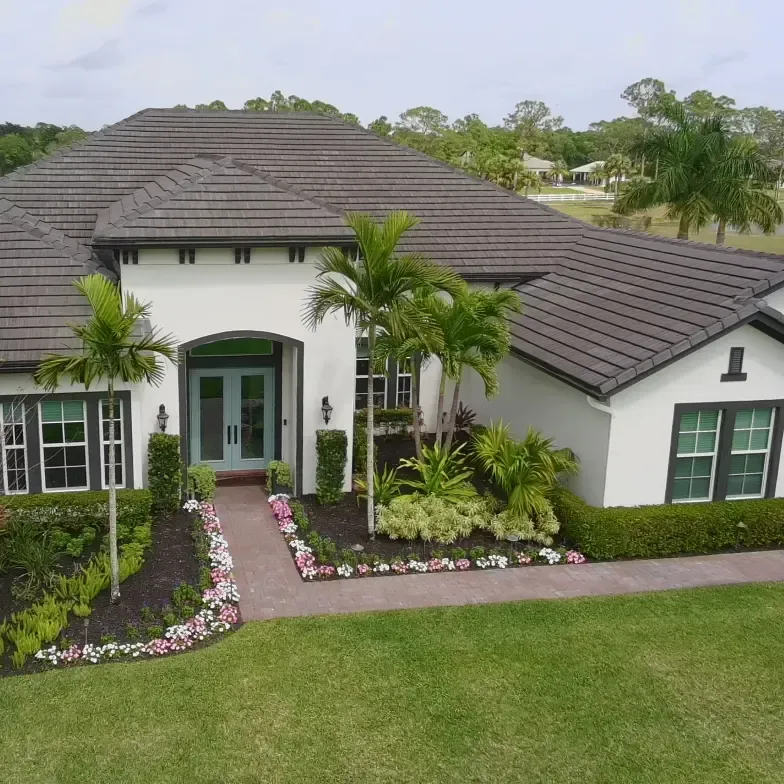
A ceiling stain is one reason to request an inspection, not the only one. After strong weather, a change in the roof's appearance or an unclear maintenance history may be reason enough to look more closely. The purpose of the visit matters: checking general wear is different from tracing a leak.
What a Roof Review Can Reveal
A useful inspection finding answers three questions: what was seen, where it was seen, and what remains uncertain. That is more helpful than a broad statement that a roof is 'good' or 'bad.'
Missing pieces, cracks, lifting, and surface wear can be spotted on parts of the roof that are safe to examine.
Water can enter where the roof meets a wall, pipe, vent, skylight, or chimney. Those joins warrant attention when relevant to the concern.
Ridges and perimeter edges take weather exposure directly. Displaced materials there may be visible before an interior leak develops.
Valleys and low areas channel runoff. Their condition can matter when water is collecting or a stain appears after heavy rain.
The timing and location of an interior stain may point toward roof features some distance from the spot on the ceiling.
Steep slopes, covered layers, and unsafe access can leave gaps in an inspection. Those gaps should be distinguished from confirmed findings.
Different Roofs, Different Clues
Different roof materials give different clues. The four topics below show why a leak on tile may need a different approach from visible wear on metal or shingles.
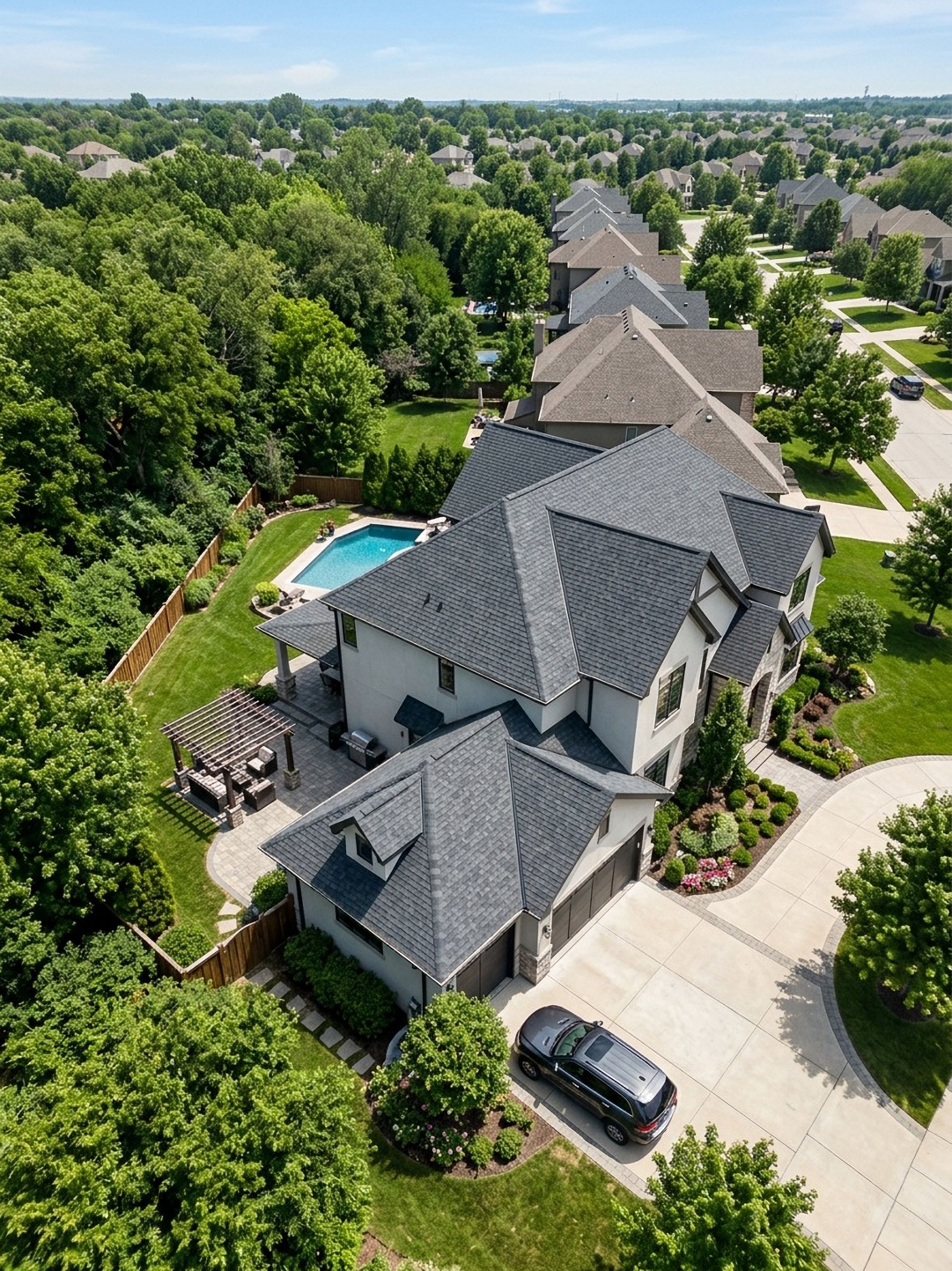
Water can travel along a roof assembly before reaching a ceiling. When a drip starts only during wind-driven rain, that timing matters as much as the stain itself. Accessible interior evidence may help when it is part of the agreed inspection.
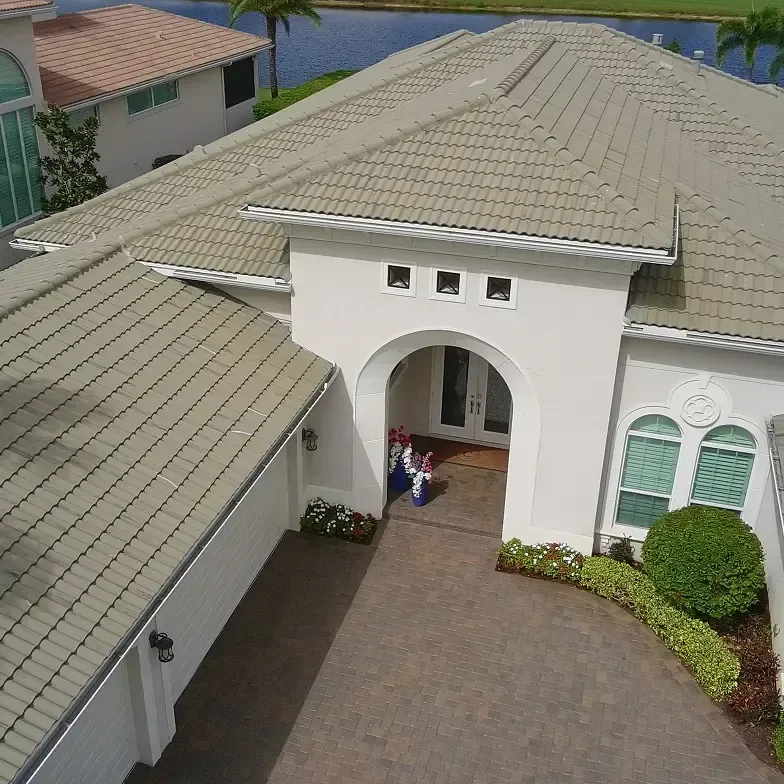
A cracked tile is easy to notice; aging underlayment is usually not. Tile inspections can identify visible displacement and flashing concerns, while the condition of concealed layers may remain unresolved.
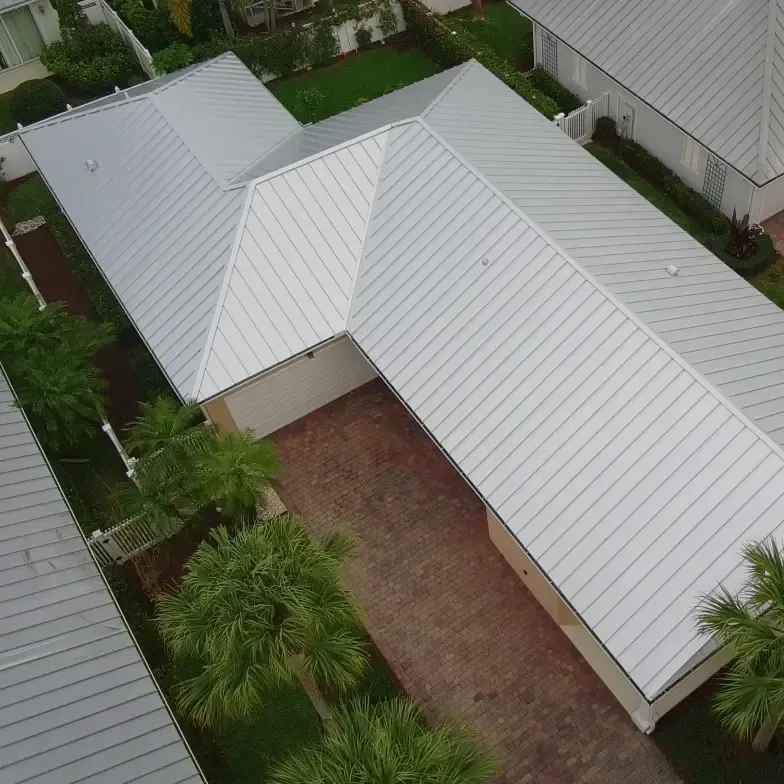
On a metal roof, joints, seams, exposed fasteners, and penetration details deserve a closer look. Corrosion or finish damage may point to a localized issue, but the panel type changes what should be evaluated.
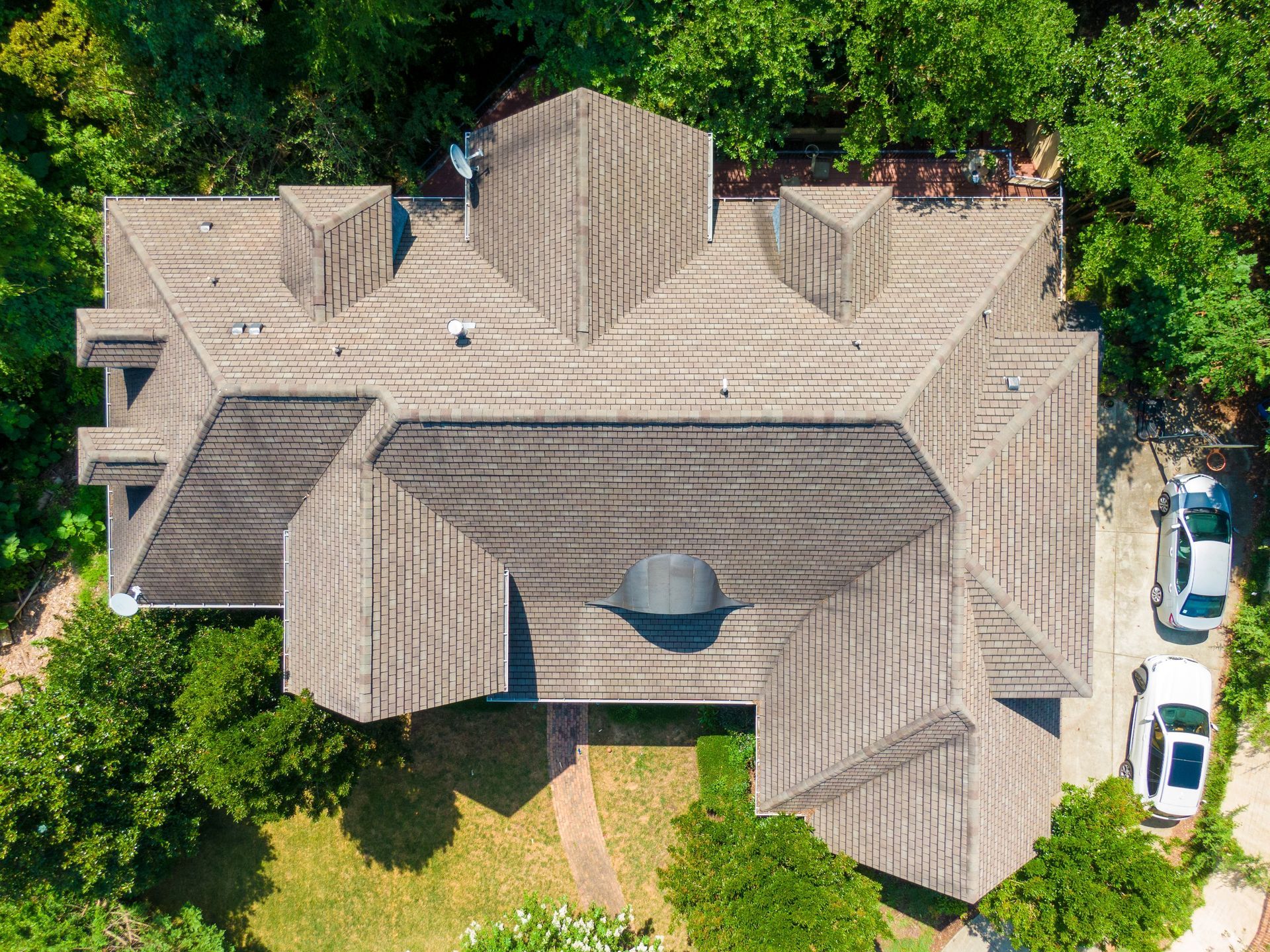
Shingles can show wear through lifting, missing pieces, surface loss, or damaged edges. A stain may still come from a flashing or roof opening rather than the shingles themselves.
How the Inspection Conversation Works
An inspection works best when it has a purpose. A homeowner worried about one ceiling stain needs different answers from someone documenting the roof's general condition before future work.
Where the problem appeared and when it started are useful clues. For a routine check, the main question may simply be whether any visible conditions need attention.
A gate, a steep section, or an attic that cannot be reached can affect what gets examined. Agreeing on the accessible areas beforehand helps avoid assumptions later.
The inspection covers the accessible roof details relevant to the agreed service. The roof type, visible condition, and homeowner's report help determine where attention goes.
There is a difference between seeing a damaged piece of flashing and suspecting hidden water travel. Clear findings separate confirmed observations from possible explanations.
A visit may point toward maintenance, a localized repair, additional testing, or simply watching a condition over time. Written records, when supplied, provide a baseline for later comparison.
Boynton Beach roofs see strong sunlight, sudden heavy rain, and periods of gusty weather. A stain that appears after rain blows from one direction may be a different clue from a steady drip during every shower. Roof shape, nearby trees, and covering type also affect what is worth examining.
Bryton Roofing's office is at 1312 Commerce Lane, Suite 3A, Jupiter, FL 33458. For a Boynton Beach inspection request, the property address, roof material, and reason for the visit help the team confirm service availability.
Ask About a Boynton Beach Inspection →The date of a downpour or windy day can help connect a new stain to the weather that preceded it.
Tile, metal, and shingles age differently, and a home may have more than one covering to examine.
Gates, pets, parking, and any needed interior access can affect how the visit is arranged.
Old repair locations and approximate dates help distinguish recurring trouble from a new issue.
Different Reasons to Inspect
A general condition check and a leak investigation are not interchangeable. One looks for broader signs of wear; the other follows evidence around a particular water problem.
When there is no active leak, an overview can identify visible wear and maintenance items before they become more disruptive. It is still a view of accessible conditions, not every concealed layer.
A recurring drip calls for a closer look at where water appears, when it happens, and which roof connections lie nearby. Sometimes the source cannot be established without further investigation.
Understand Inspection Scope
An inspection price is only meaningful alongside its scope. A brief exterior condition check and a leak-specific investigation may require different access, documentation, and follow-up.
More slopes, separate roof sections, or detached structures can increase the area that needs attention.
Tile, shingle, and metal coverings each have different details and limits on what can be seen without opening materials.
Roof height, steep pitches, and restricted access can influence the safe approach to the work.
A broad condition check is not the same task as following evidence around a recurring ceiling leak.
An attic or other interior area may help with some water concerns, but access depends on the service agreed.
Photographs, written notes, and formal reports are different deliverables. The quoted service should identify which are included.
If testing or opening materials becomes necessary, that is a separate decision beyond a basic visual check unless stated otherwise.
Restricted entry, appointment windows, and routes to the roof can all shape the time and access required.
Make the Visit More Useful
A few details from inside the house can save guesswork outside. The location of a stain, the weather when it appears, and earlier repair records are often more useful than a vague report of 'a leak somewhere.'
A date beside each stain or drip helps establish whether the problem is new, occasional, or recurring.
Ground-level and indoor photos may capture useful changes. Climbing onto a damaged or steep roof is not worth the risk.
The age of the covering, known repairs, and old inspection notes provide context for today's observations.
Leaks tied to one wind direction or a particular storm can point toward a different roof detail from leaks that happen every time it rains.
A locked gate, a dog in the yard, or an inaccessible attic can limit the visit unless arrangements are made.
A maintenance check, a specific leak, and a future replacement decision each call for a different focus.
The visit may include a verbal discussion, photographs, or written findings depending on the agreed service. The format should be clear beforehand.
Some items may need prompt attention; others can be watched. Knowing which is which makes the findings more useful.
Inspection Questions in Boynton Beach
A roof inspection can answer practical questions, but only within the areas and methods included. These are common points of confusion for Boynton Beach homeowners.
It can still be worthwhile. Loose materials or aging flashing may become apparent before an indoor leak. This is especially useful when the roof's service history is uncertain.
New stains, displaced roofing, or debris after a storm are sensible reasons to request a closer look. Photos from the ground are helpful; getting onto a possibly damaged roof is not.
Not every time. Water may move through concealed layers before appearing indoors. An initial inspection can narrow the possibilities without identifying an exact entry point.
Only if interior access is included in the agreed scope and the space can be reached safely. Some inspections are exterior-only, so it is worth establishing that before the visit.
Cracked or shifted pieces and flashing concerns can be visible signs. Older underlayment may be the more serious question, even when its condition cannot be confirmed from the surface.
Yes. Metal roofs have seams, panel connections, and sometimes exposed fasteners. Shingle roofs show different wear patterns, such as missing pieces or surface deterioration.
That depends on the inspection booked. A conversation at the property is not the same deliverable as a formal report or photograph set, so the scope should say what you will receive.
It can identify visible wear and conditions that may need attention, but it cannot put a reliable expiration date on a roof. Hidden components and future weather are unknowns.
That is up to the insurer and the purpose of the inspection. Any required form, documentation, or qualifications should be confirmed with the insurance company before booking.
You can inquire about a pre-purchase roof review. If your transaction calls for a particular report or deadline, establish those needs before arranging the inspection.
Roof size, safe access, inspection purpose, and documentation all affect scope. A useful quote explains what areas will be checked and what findings will be provided.
Bryton works from Jupiter and considers projects in the surrounding region. Your Boynton Beach address and the reason for the inspection will help the team check availability.
A new stain, a rough storm, or an unfamiliar roof history can leave plenty of questions. Tell Bryton what has changed at your Boynton Beach home so the inspection conversation begins with the problem you actually want answered.
Roofing License Number CCC1336269